
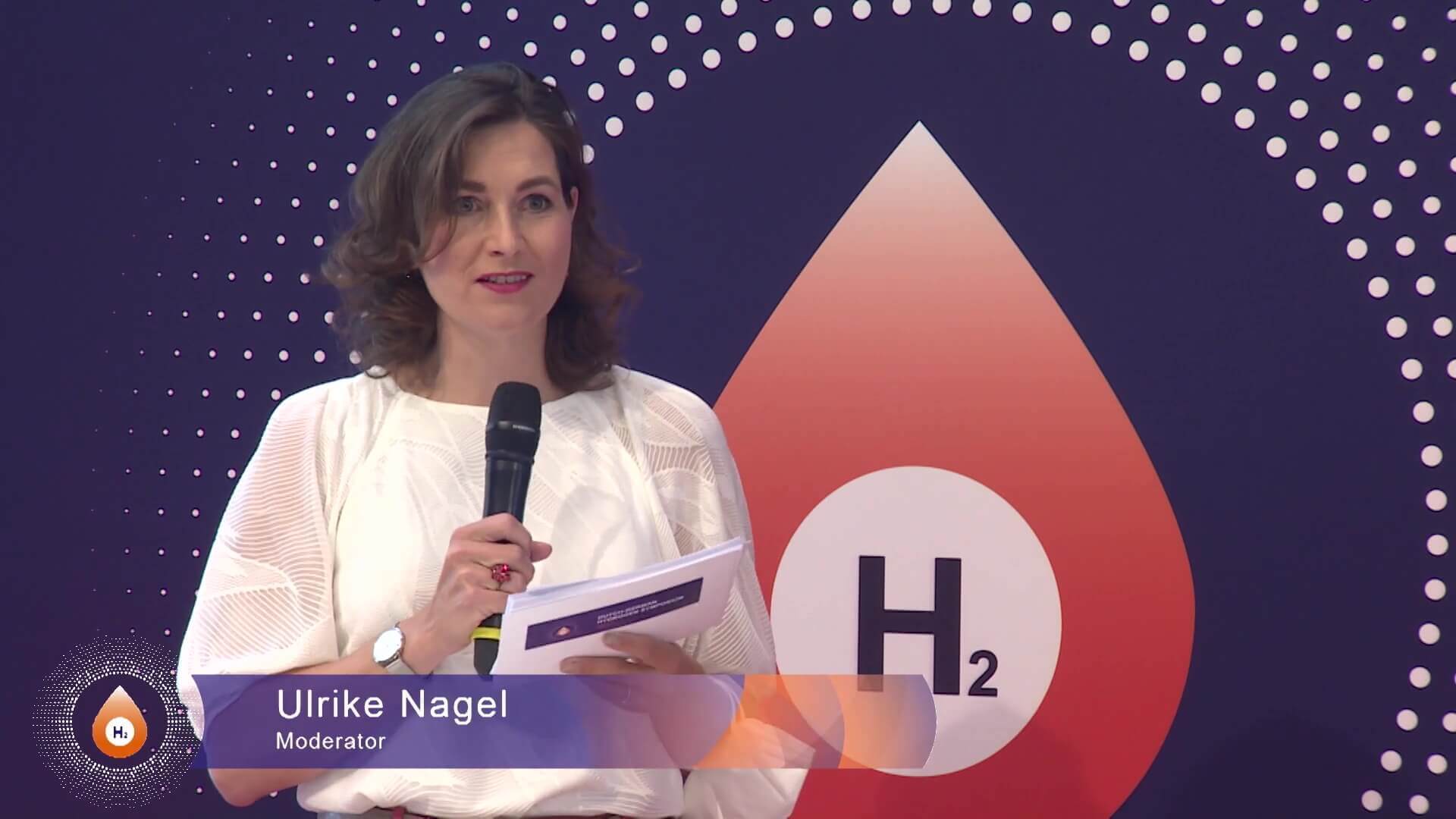
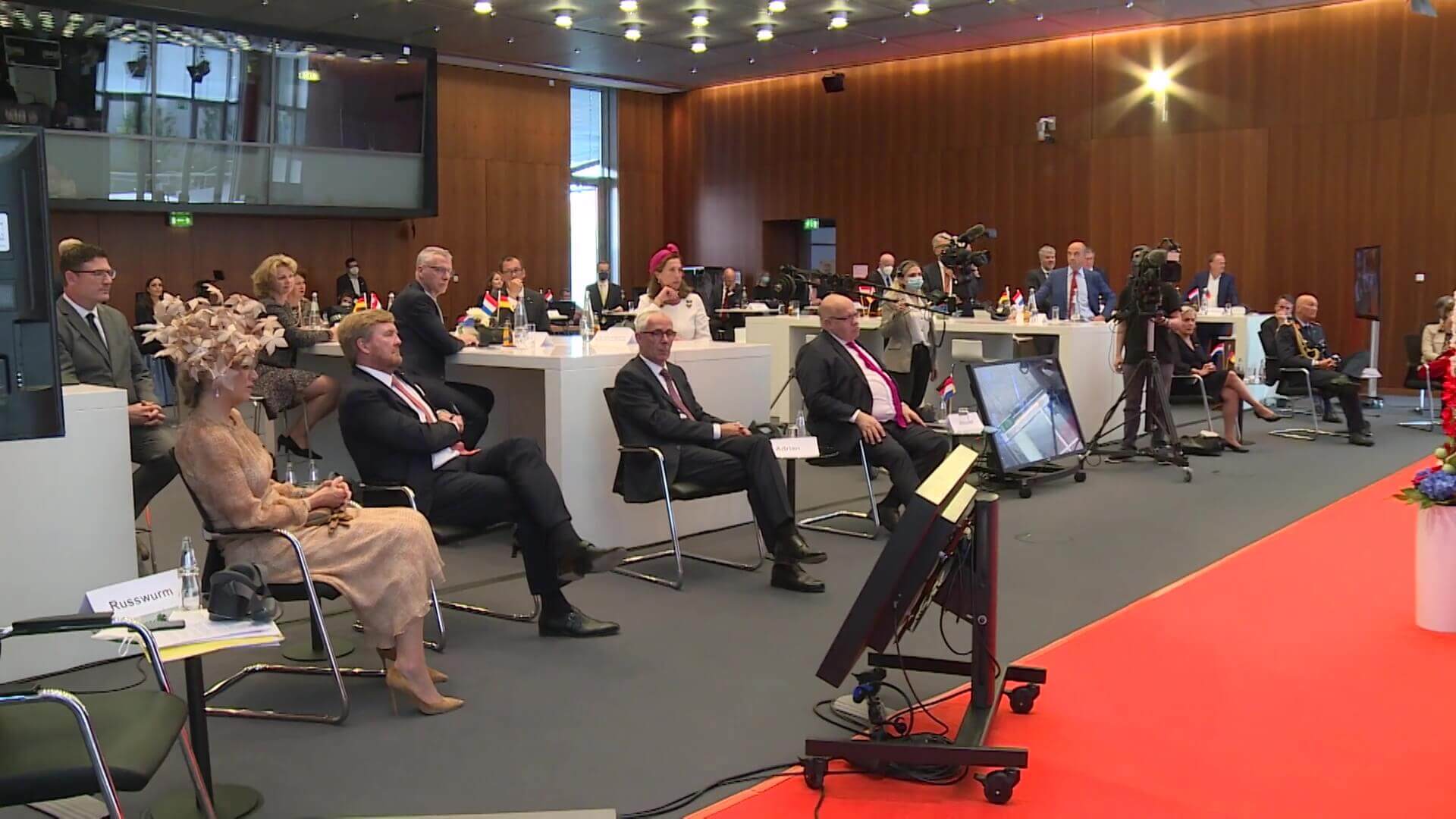
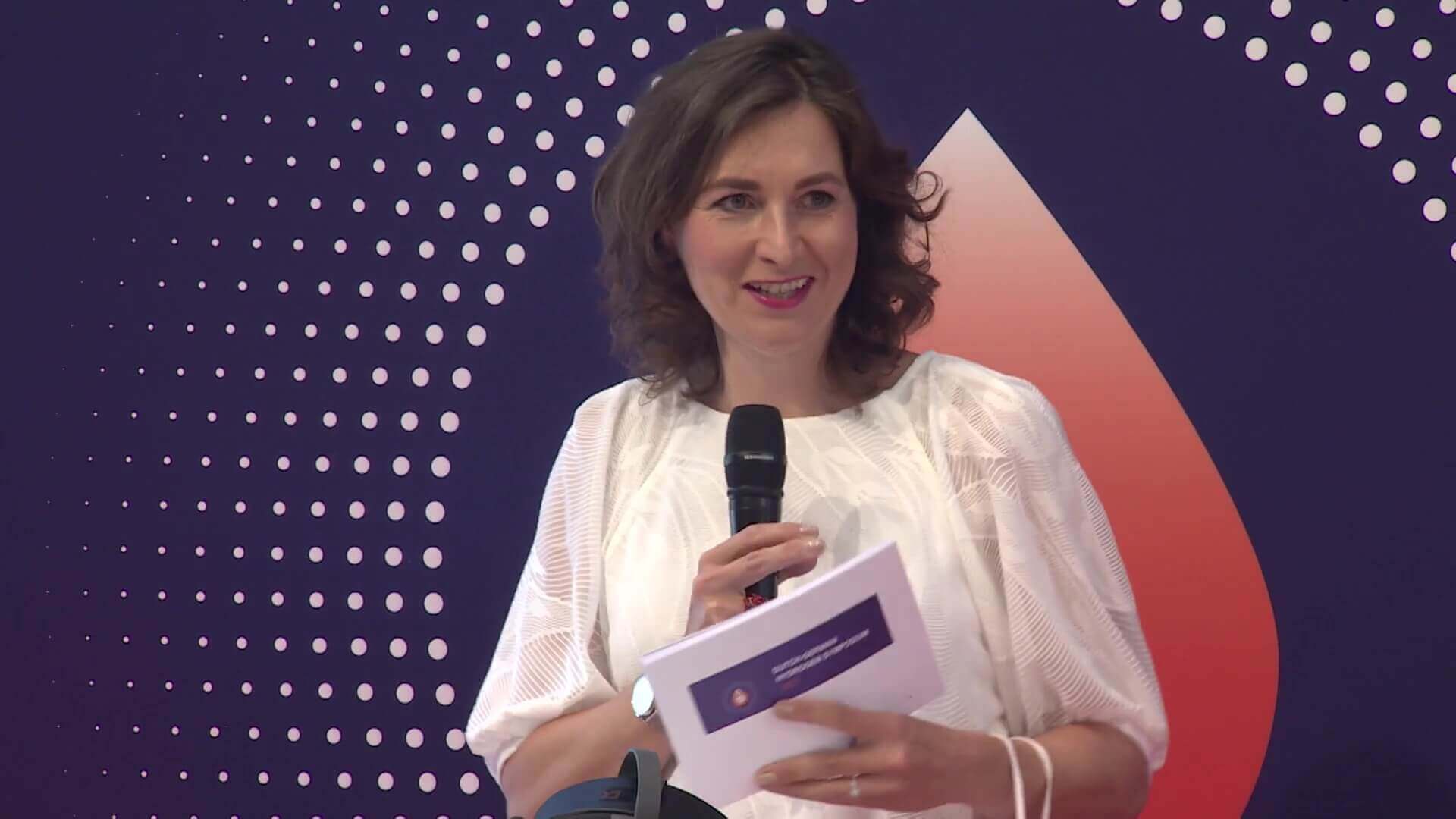
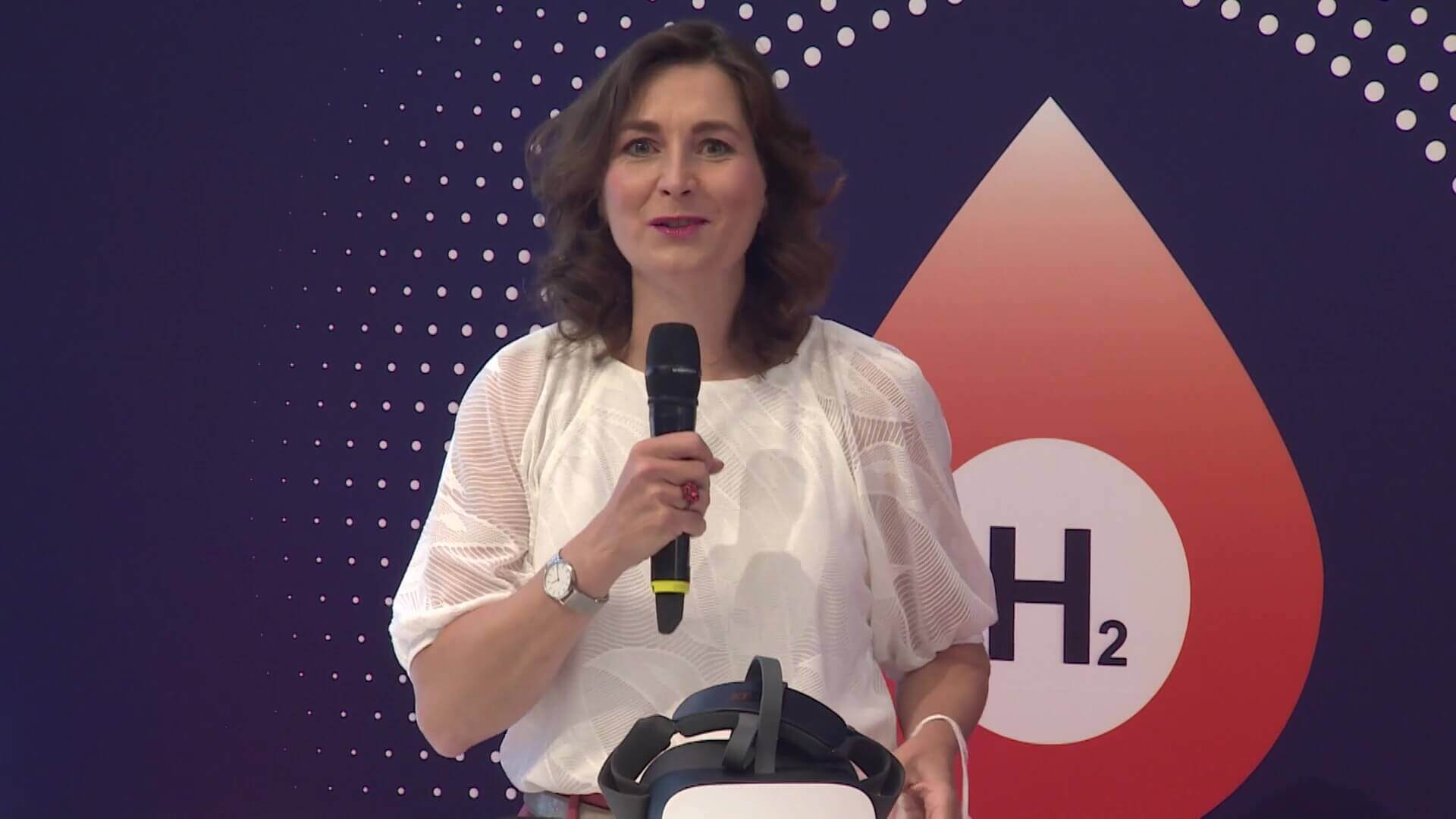
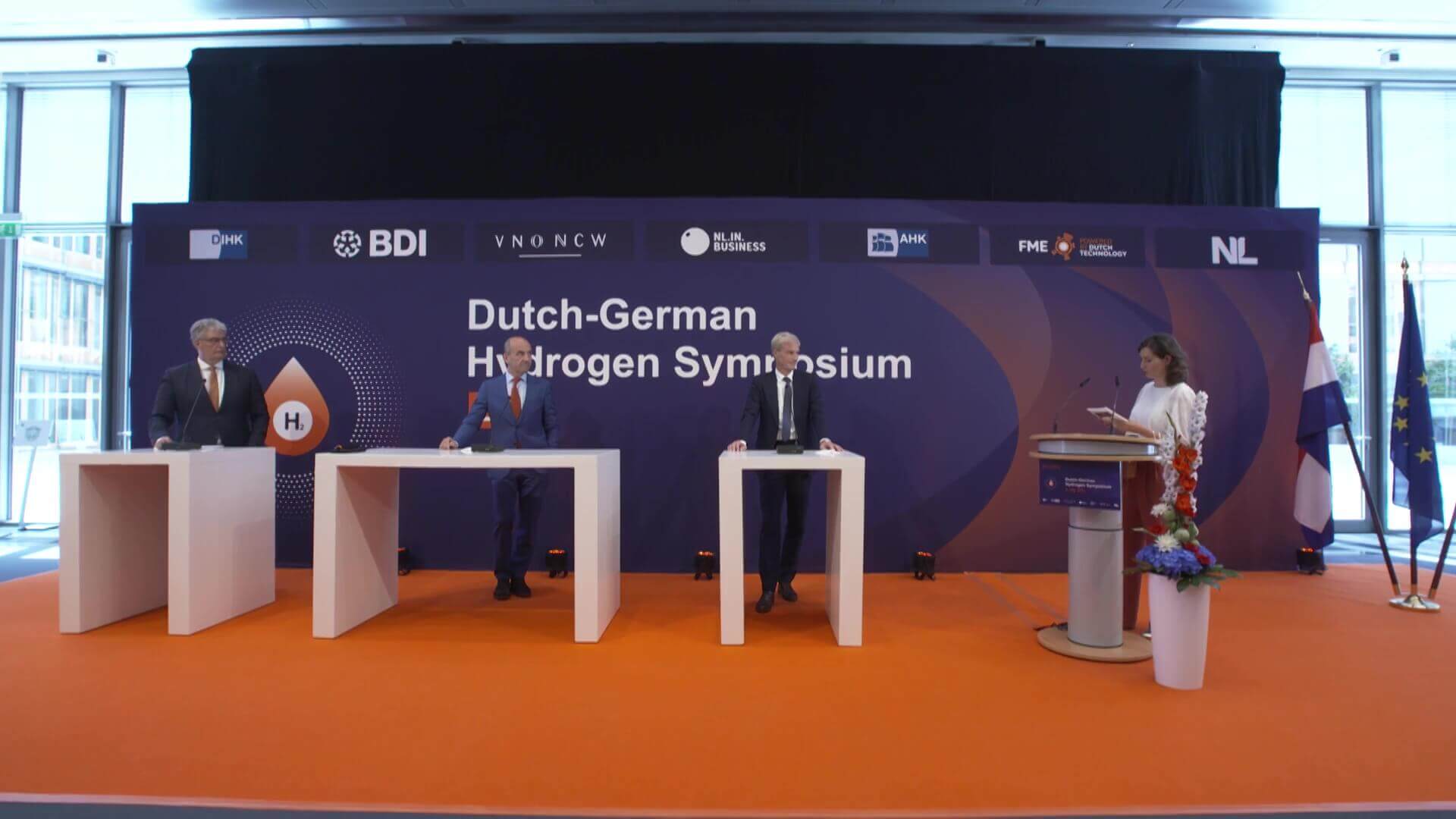
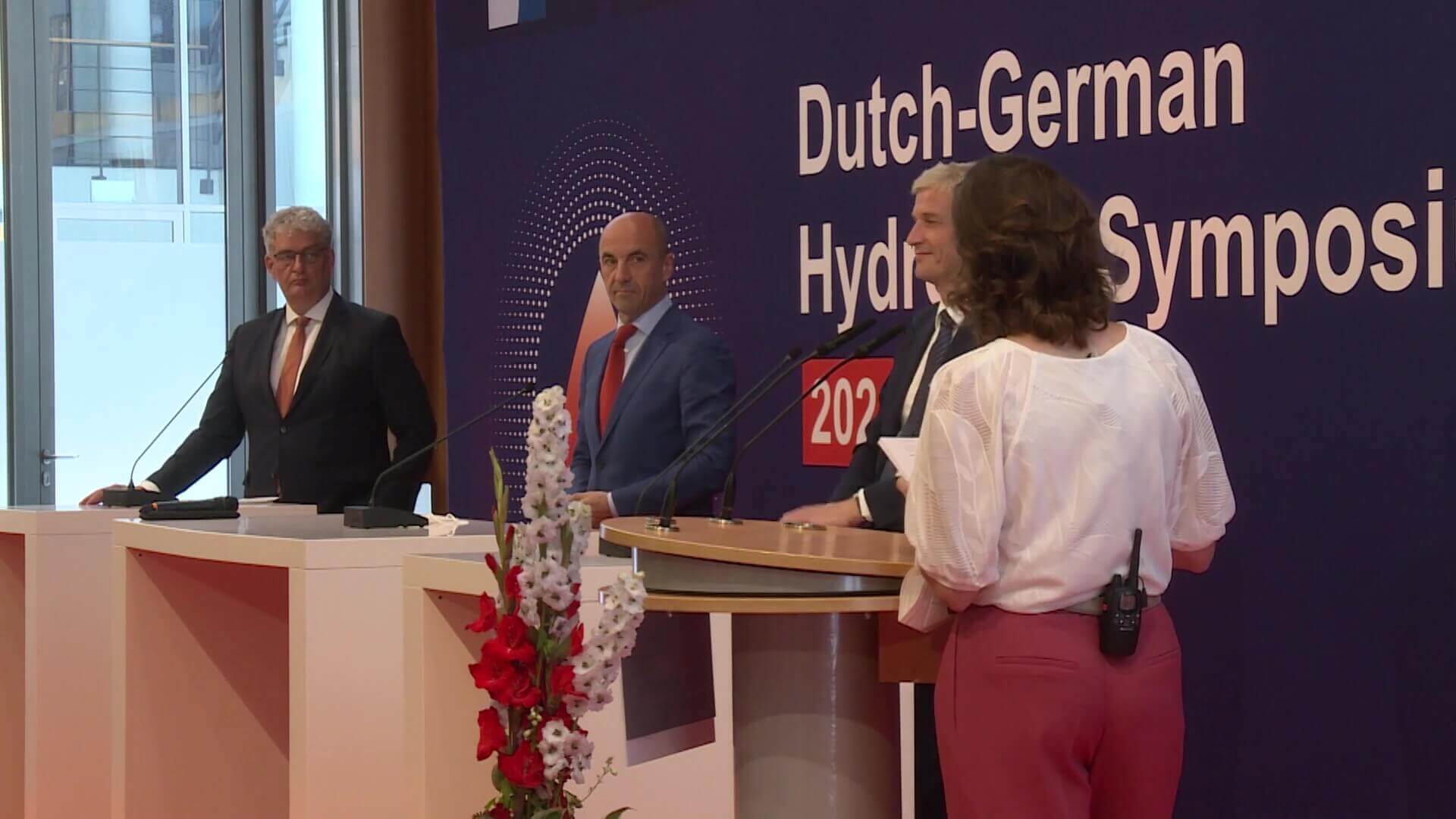
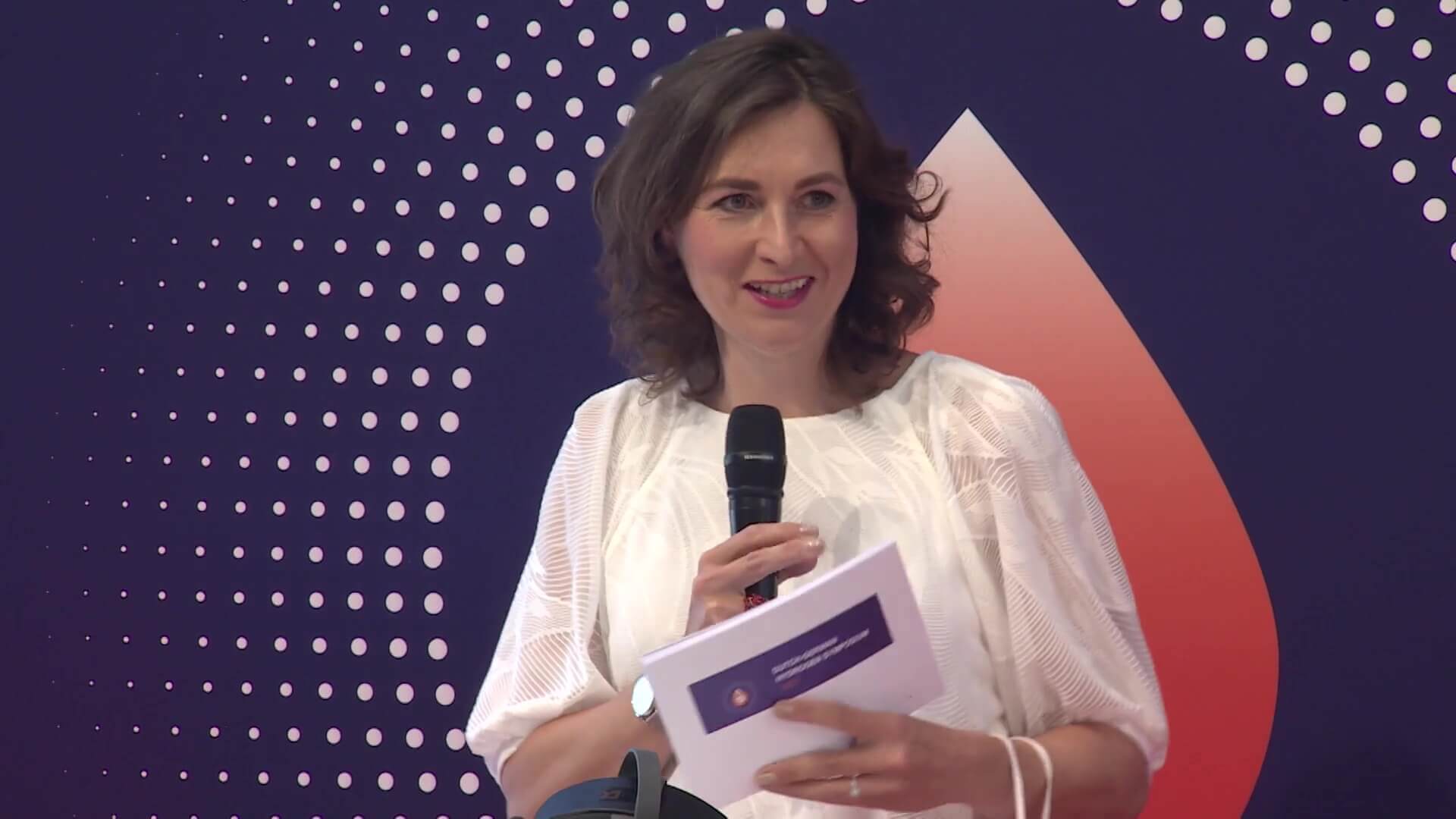
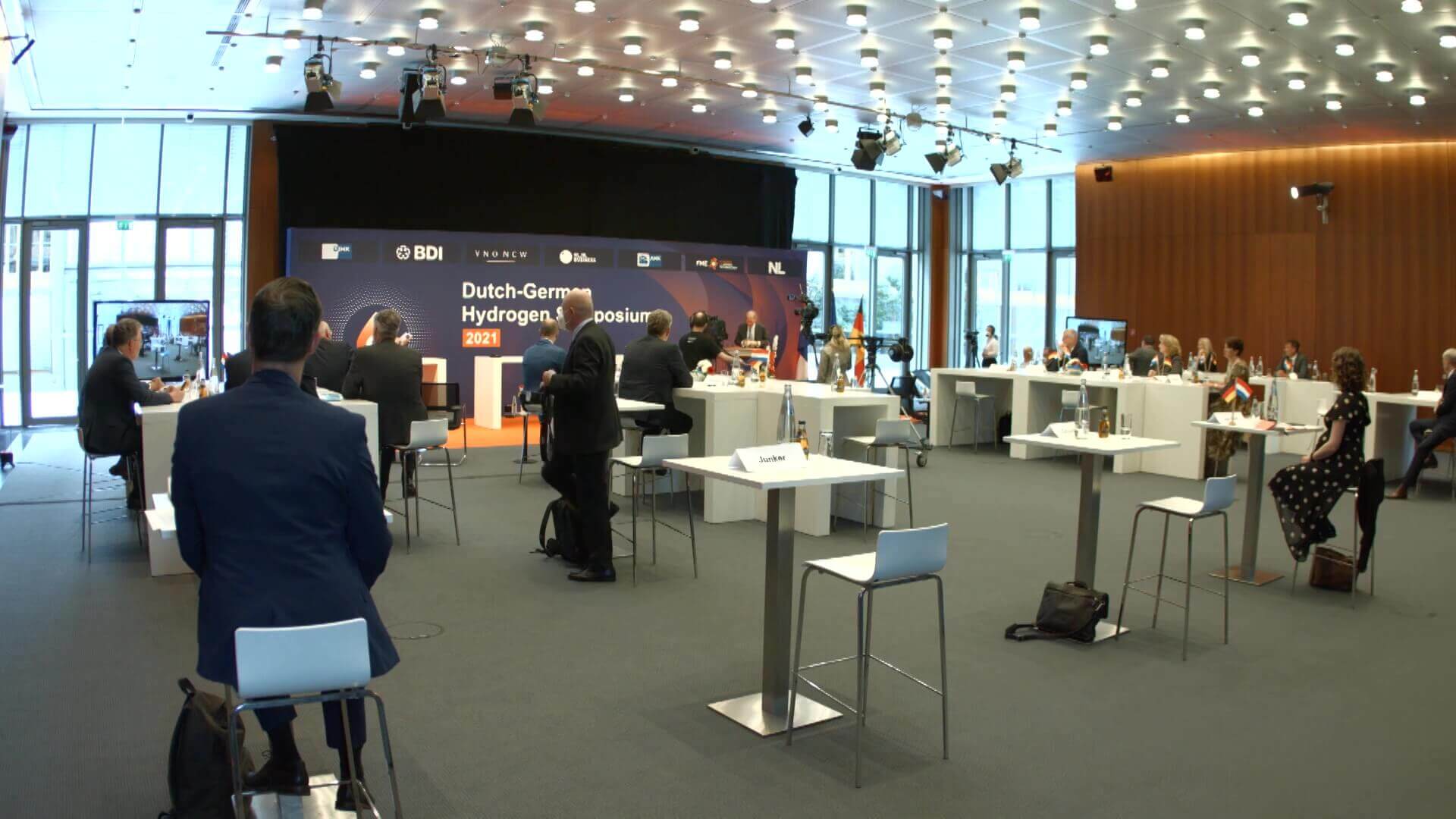
On July 6, 2021, the German-Dutch Hydrogen Symposium took place in Berlin at the DIHK (German Chamber of Industry and Commerce) in the presence of King Willem-Alexander and Queen Máxima. Ulrike Nagel served as moderator for this event.

Symposium
The symposium focused primarily on cooperation between Germany and the Netherlands, with each country contributing its expertise to successfully tackle the energy transition together in the field of hydrogen. King Willem-Alexander and Queen Máxima attended this hydrogen symposium on the second day of their state visit.

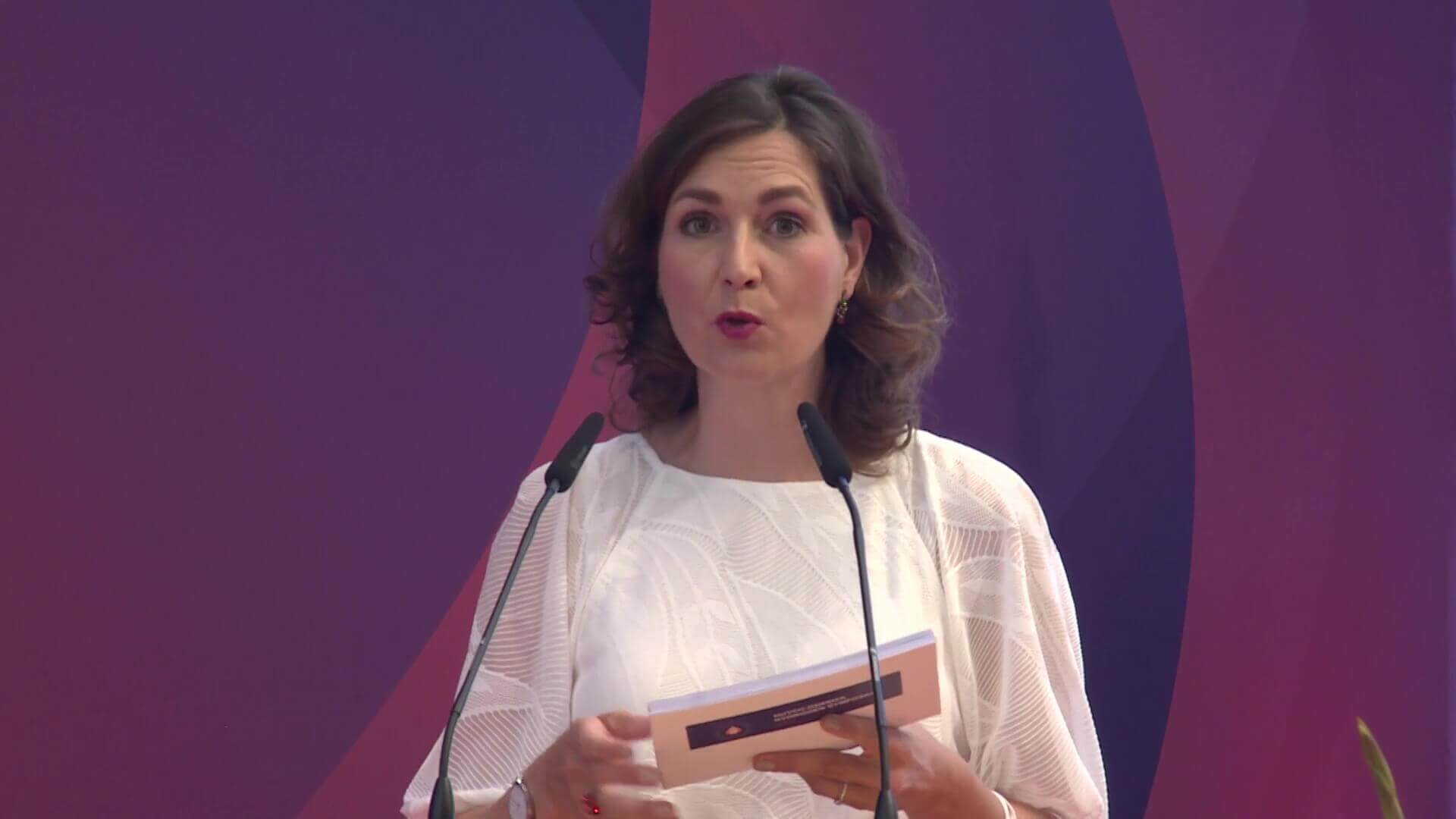
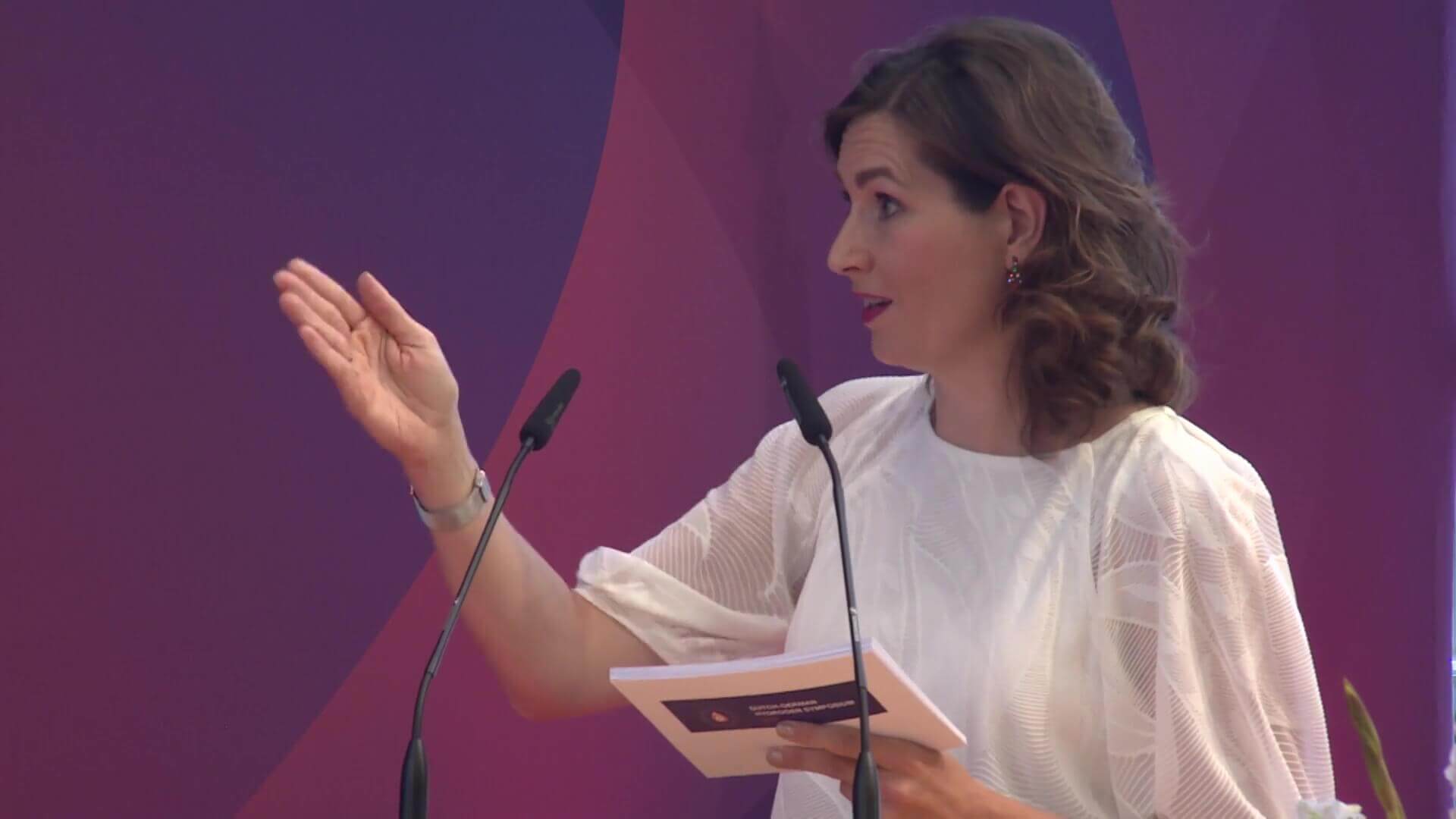
VNO-NCW Chair Ingrid Thijssen was the first speaker. She looked back on the 1960s, when the Groningen gas field was discovered, benefiting both the Netherlands and Germany. “Das war einmal,” she concluded her introduction. Now it is hydrogen’s turn. “We have the gas pipelines, the empty underground gas reservoirs, and the operational wind farms. We must start using these resources for sustainable energy.” Thijssen sees hydrogen not only as one of the solutions for reducing CO2 emissions, but also as a means of contributing to the economy, for example by creating jobs. “But change is never easy. This isn’t like sending one person to the moon; it’s more like sending a whole lot of people to Mars.” Europe must therefore work together and establish a single market. Germany and the Netherlands must build a cross-border network to jointly produce blue and green hydrogen.
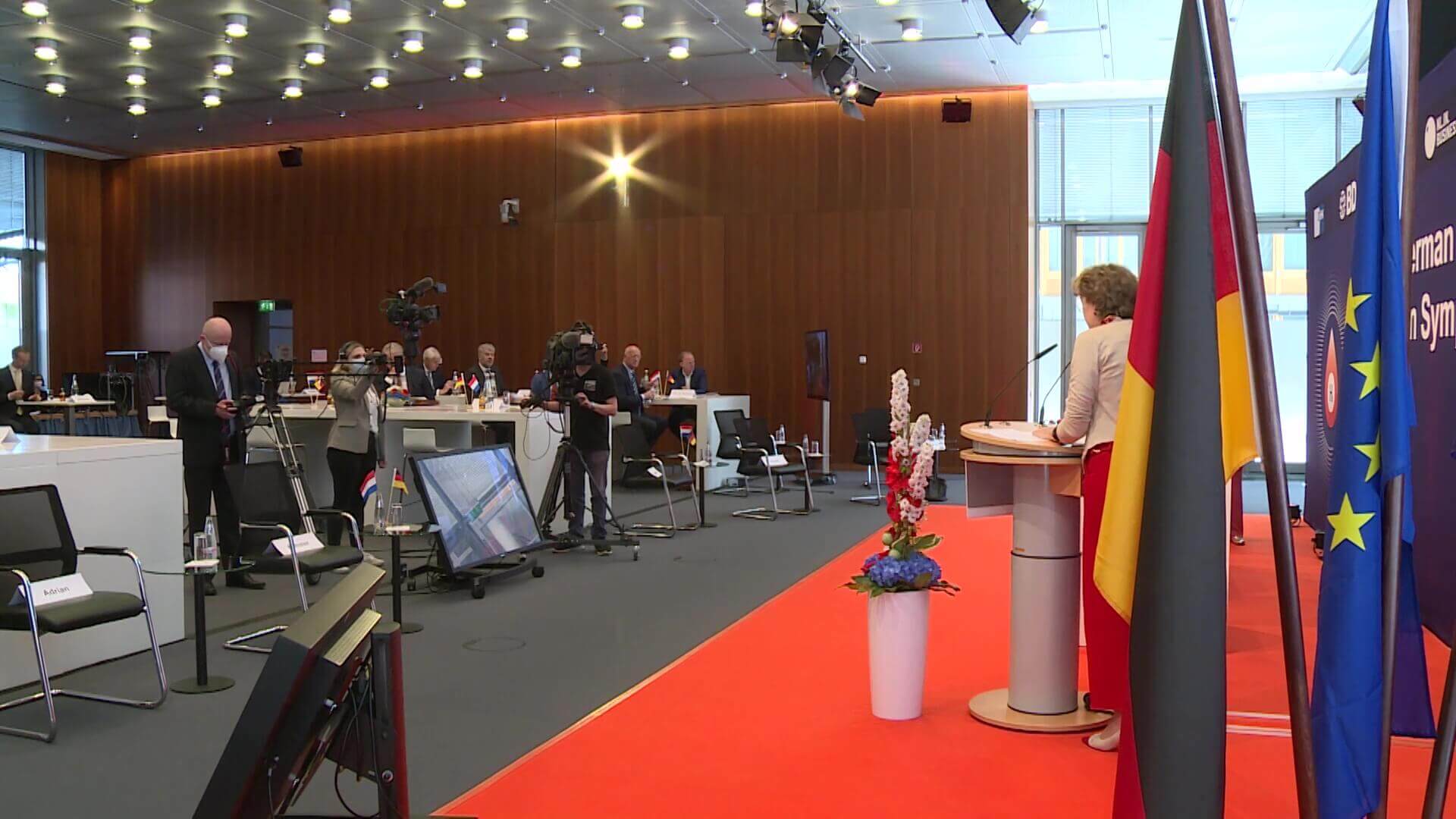
Dr. Stefan Kaufmann, Innovation Commissioner for Green Hydrogen at the German Ministry of Education and Research, spoke, among other things, about the expansion of wind farms as an important first step. “If we focus on this, we can build on a major energy source.” Kaufmann sees green hydrogen as the opportunity of the century and Germany as a pioneer in hydrogen solutions. “But to succeed, we must work together,” he emphasized. “Both the German and Dutch governments are taking initiatives to establish a strong European network. The goal: not only to remove obstacles, but to pave the way for the full rollout of hydrogen’s potential.”
The Port of Rotterdam is a key link in the hydrogen network. “As a port, we’re investing in transportation options for delivering hydrogen to, for example, the state of North Rhine-Westphalia, but also further into the hinterland,” said Allard Castelein, CEO of the Port of Rotterdam Authority. “Developments in the field of hydrogen are happening at lightning speed, and we are in talks with countries worldwide to see how we can contribute to this.” Castelein cites the fact that hydrogen can be produced anywhere in the world as a major advantage. “We now want to take the necessary steps for its transport and anticipate that there will be significant demand for hydrogen by 2030—both nationally and globally.”

Hydrogen Transportation
During the panel discussions, participants discussed hydrogen transportation as well as research and innovation. According to Dr. Arnd Köfler, CTO of thyssenkrupp Steel Europe, the global hydrogen economy must begin now. “There are already many plans; we need to put them into action.” Han Fennema, CEO of GasUnie, emphasized that existing gas pipelines can be used for hydrogen. According to Stefan Dohler, CEO of EWE, the main challenge lies in the fact that renewable energy is not always available. “The wind doesn’t blow constantly, and the sun doesn’t always shine. That’s why we also need to focus on storage.” Dohler says we need to look at the big picture and not focus too much on the individual pieces of the puzzle.
Research and Innovation
“Producing hydrogen requires a lot of water and biomass,” says Prof. Dr. Matthias Wesseling, vice rector of the Rheinisch-Westfälische Technische Hochschule (“TU”) in Aachen. “But our surface water resources are limited, partly due to increasingly frequent droughts.” According to Wesseling, we must therefore look to recycled water, sustainable biomass, and sustainable energy.” Prof. Richard van de Sanden, scientific director at the Eindhoven Institute for Renewable Energy Systems, explains that an incredible amount of hydrogen will need to be produced. “That’s another reason to collaborate. And we need to invest in training talent to further expand our knowledge of hydrogen.” Katja Baumann, managing director at MARIKO, added that information on sustainability and hydrogen must be accessible to businesses. “Bring the professor and the company together,” said Baumann.

Shell and Siemens Panel Discussion
Marjan van Loon, president and CEO of Shell Netherlands, and Andreas Nauen, CEO of Siemens Gamesa Renewable Energy, discussed the opportunities for Europe and the importance of collaboration. “We already have major projects underway, such as NorthH2,” explained Marjan van Loon. “But we need more wind farms like this. And cooperation is, of course, indispensable—energy systems don’t stop at the border either,” said Van Loon. Andreas Nauen agreed and added that high demand and production will create many jobs.
Keynote Speakers for the Royal Couple
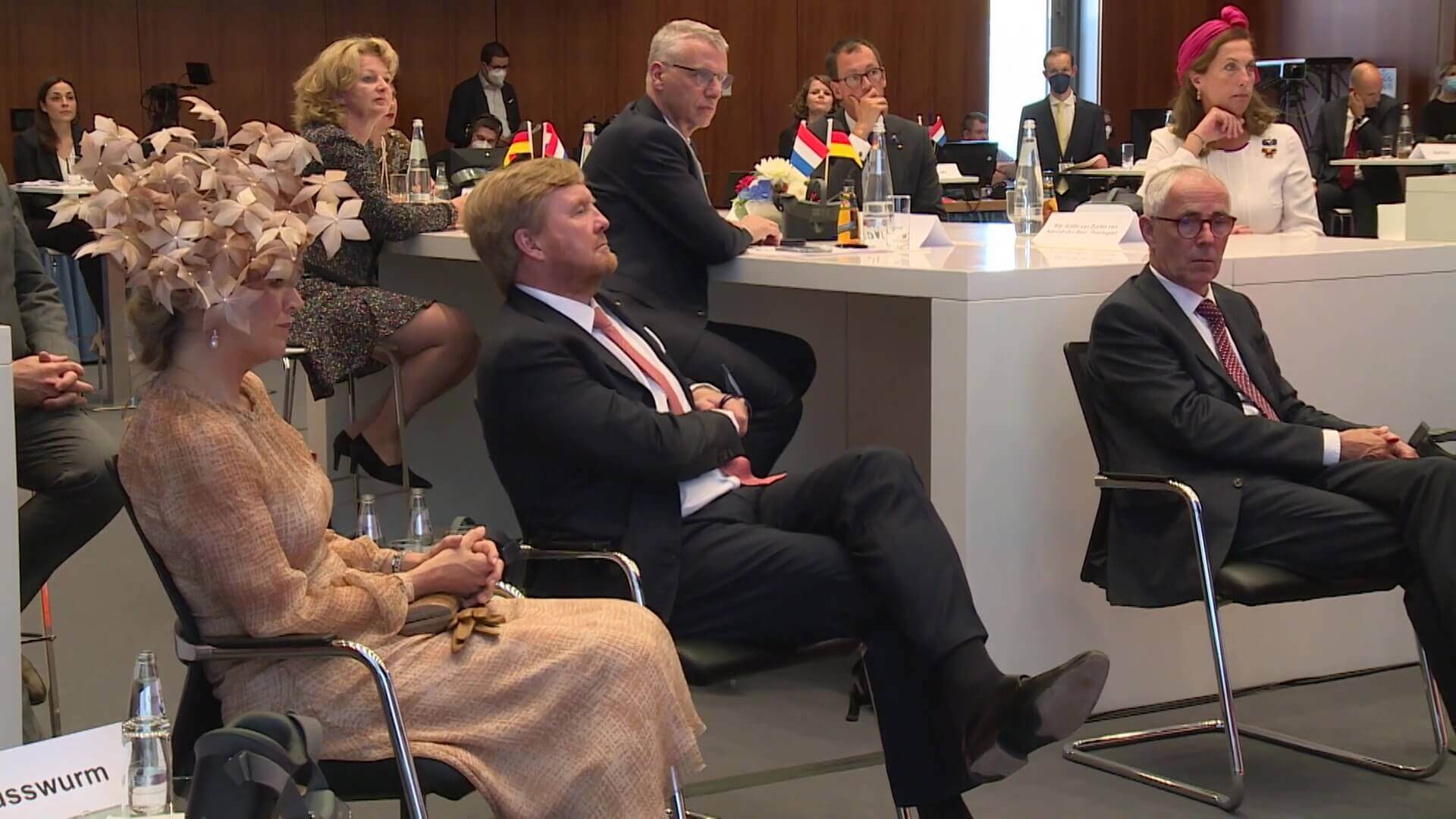
After the panel discussions, the royal couple arrived at the symposium and were welcomed by Peter Adrian, president of the DIHK. Peter Altmaier, Minister of Economic Affairs and Energy, and Mona Keijzer, State Secretary for Economic Affairs and Climate, delivered a keynote speech on the topic of hydrogen. In addition, the King and Queen, like the other participants, were able to view the latest hydrogen projects through virtual reality headsets.

State Secretary Keijzer and German Minister Altmaier delivered speeches on German-Dutch economic relations, cooperation in the field of hydrogen, and the innovation and technology pact signed by both countries.
After watching a virtual reality film, various discussions took place on topics including cooperation, sustainability, and innovation.
