
Utrecht – “N stands for nuclear, B for biological, and C for chemical.” The tone is set on the Cold War Trail at Soesterberg Air Base. Guide Karen van Leeuwen of Utrechts Landschap leads visitors on a two-kilometer route past the most remarkable bunkers.
TV segment, photos, and text by Ulrike Nagel.
For the first time this weekend, visitors were able to explore the Cold War bunkers at the former Soesterberg Air Base on their own. The bunkers, including an American command bunker, date back to the Cold War and were designed to withstand a potential nuclear, biological, or chemical attack.
The war in Ukraine makes the visit particularly timely. Visitors are drawing parallels with the present, and guide Karen van Leeuwen has noticed that people are both more anxious and more curious than before. The event drew large crowds on both days.
“This one was intended as a shelter in the event of a nuclear, biological, or chemical attack,” says Karen. “You could take refuge here and be safe; it was primarily intended for officers and pilots. Fortunately, it never happened, because otherwise we wouldn’t be standing here today.”
This weekend, visitors can explore the bunkers at the former Soesterberg Air Base on their own for the first time. The bunkers date back to the Cold War era. This year marks the 60th anniversary of the outbreak of the Cuban Missile Crisis—at that time, a nuclear war was closer than ever.
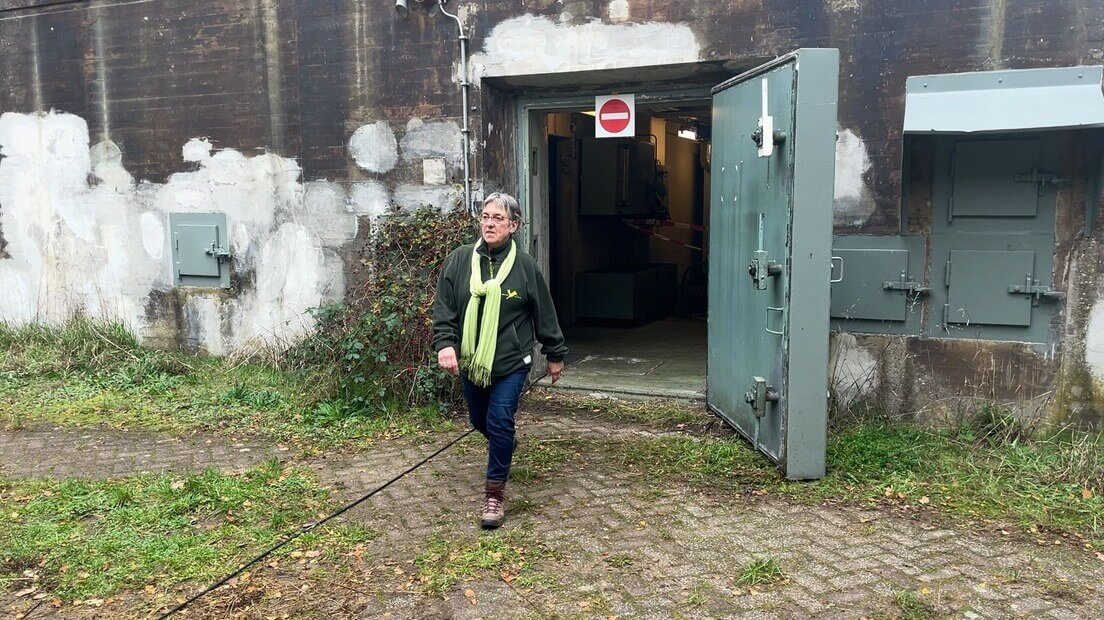
This is the first time the bunkers at the air base have been opened to the public on such a large scale. Guided tours are occasionally offered here, but this weekend you can walk around freely and explore everything at your own pace. And many people are doing just that. As they stroll through the woods and across the runways, they learn about the base’s unique history—an ideal outing for visitors.
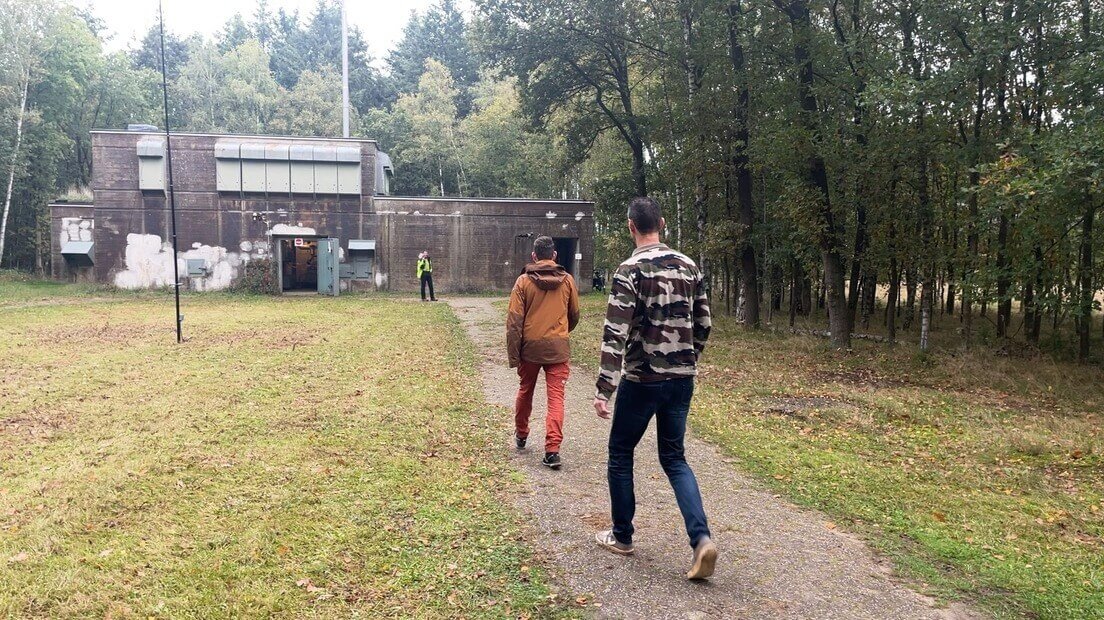
Soesterberg played an important role during the Cold War. The NBC bunker, for example, is an American command bunker. “Soesterberg has always been a base under Dutch command, but during the Cold War it was a NATO base, so the Americans were essentially guests here at a NATO base under Dutch command.”
First, you had to decontaminate your clothing outside, then enter the bunker, undress, shower, and only then proceed to the secure area. Everything had been thought through. Karen: “We’re talking about the theory here. They did conduct drills, but nothing ever actually happened. You could have spent three weeks here—there was enough fuel and water for that. The threat was very real. They had prepared for the possibility that the world would look different after the use of nuclear weapons once you left the bunker.”
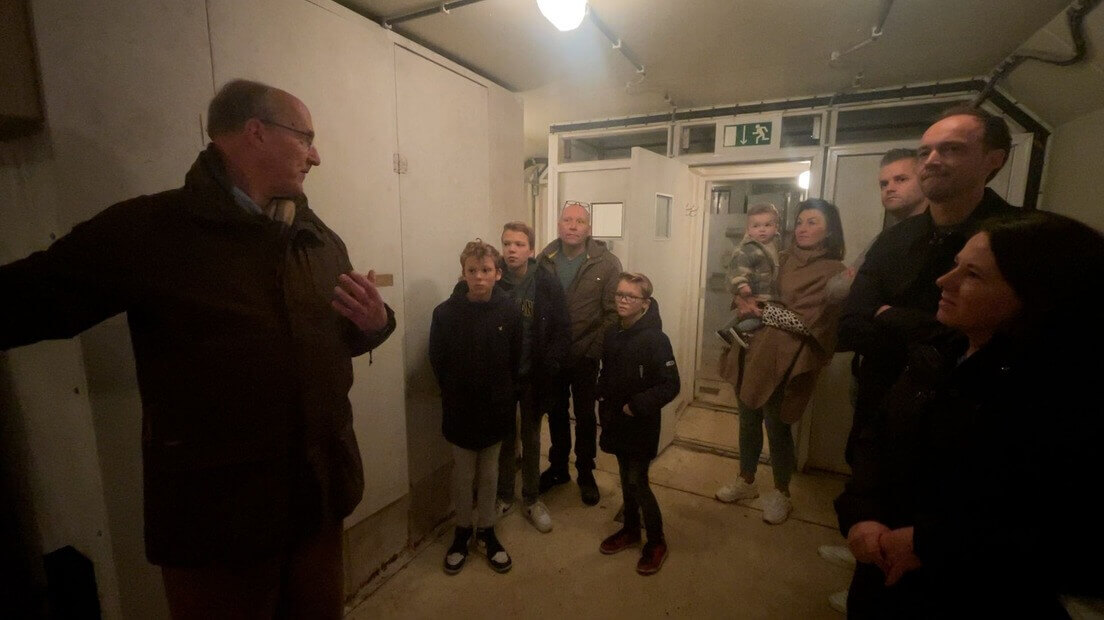
Karen is a guide at Utrechts Landschap and has close ties to the air base herself. “My father received training here from KLM. Later, I started gliding over the base myself, and eventually I became a guide here.” She was still a child during the Cold War. “You didn’t really think about it much, and maybe that was for the best, because it meant I had a carefree childhood. But it was tough—I’ve come to understand that now.”
Many visitors who come here now quickly see a connection to current events and the war in Ukraine. “It always scares me a little when I walk around here,” says a visitor who is strolling through the area with his wife and young son. “We need to really realize how good we have it. I also think you should take a moment to see this place, because you could have been here too, in a different time. And maybe we’ll end up here again in the future. War is always all around us. And certainly now—this conflict in Ukraine is a scary one.”
Karen has also noticed that visitors are more alert during the tours. “I can tell that people are thinking about it more. They talk about it more; you also see people who are anxious, who are afraid that war might break out here again. Yes, people are talking about their concerns, and fortunately, that’s something they can do here. People have been jolted awake by current events and now want to know more about it here.”
The Cold War Weekend drew large crowds on both days, thanks in part to the dry weather. Karen van Leeuwen: “This is the first time we’ve participated, but I can imagine it won’t be the last.”
