Journalist | Editor | Chairperson | Germany expert / correspondent | in Hilversum & Berlin
On Radio 1: New far-right youth party in Germany
The right-wing AfD has launched a new youth organization after its previous youth wing, Junge Alternative, was placed under heightened scrutiny due to extremist statements and ties to potentially violent groups. To prevent further damage to its reputation, the party formally severed ties with the group. With the new youth movement, the AfD is trying to present a fresh start, but has anything really changed, or is it just the same ideas in a new package? We ask Germany expert Ulrike Nagel.
00:00 Foreign Affairs Desk, Sophie Derkzen 00:22 Clip, speech 00:54 Audio clip of protest 01:26 Ulrike Nagel
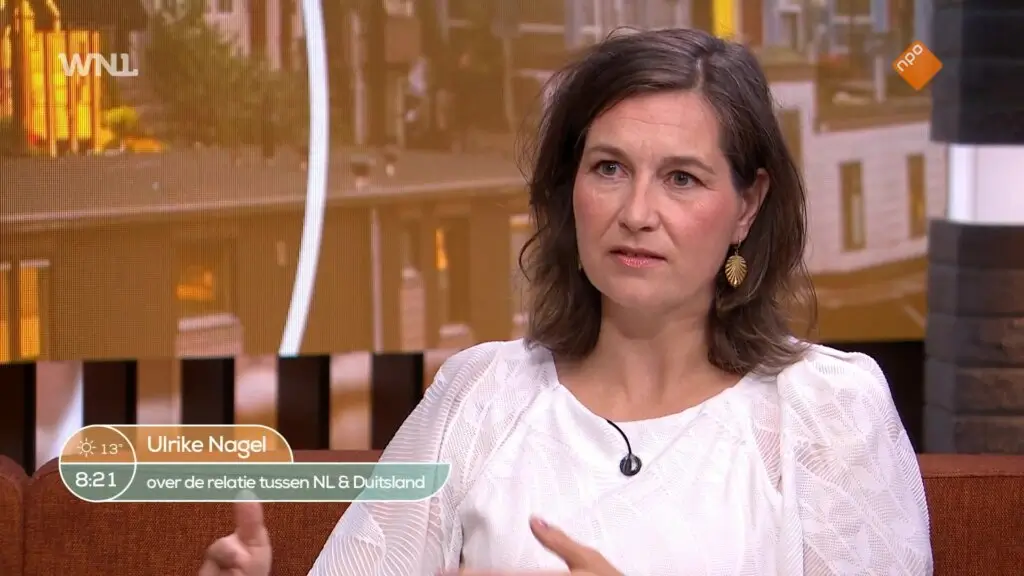
Ulrike Nagel on Radio 1 discussing the new far-right youth party in Germany
Summary
Topic: The founding of “Generation Deutschland” The video discusses the launch of the new youth organization of the German right-wing populist party AfD (Alternative für Deutschland). This new group, called Generation Deutschland, replaces the previous youth wing (Junge Alternative), which was disbanded by the parent party because it was considered too extremist and was under surveillance by intelligence agencies.
Key points from the interview:
Purpose of the new organization: With this new branch, the AfD aims to exercise greater control. Unlike the previous independent association, Generation Deutschland is formally part of the party structure. The goal is to create a “training ground” (kaderschmiede) for new leaders and members, without the reputational damage associated with the previous group.
Controversial leadership: The new chairman is 28-year-old Jean-Pascal Hohm from Brandenburg. Despite the attempt at a fresh start, he, too, is controversial. He is considered a right-wing extremist by the domestic security service and has a history of involvement in hooligan and neo-Nazi circles.
Incident during the founding convention: During the convention in Gießen, where some 25,000 people protested, a candidate for the executive board (Alexander Eichwald) caused a stir. He delivered a speech with gestures and rhetoric (such as a rolled “R”) that were strongly reminiscent of Adolf Hitler. The AfD intervened immediately and expelled him from the party, which, according to Nagel, demonstrates that they want to maintain tight control over their image.
Ideology and Appeal: In terms of substance, the new movement is no more moderate. Terms like “remigration” and slogans like “Germany for the Germans” have become normalized. The party has been successful in attracting young people, especially in rural areas (including in East Germany), by capitalizing on frustrations and fostering a sense of community (for example, through motorcycle events) in places where other amenities are disappearing.
Conclusion: Nagel argues that this is primarily a matter of professionalization rather than moderation. As a result, the debate over a possible ban on the party has flared up again, but remains complicated because the party is very large in some states and is democratically elected.
Nagel summarizes this as a troubling development in which far-right ideology is becoming increasingly normalized under a veneer of professionalism.
On “Bureau Buitenland,” you’ll hear international news, reports, and geopolitical analysis. Featuring background stories and noteworthy reports, Monday through Friday from 1:30 to 2:00 p.m. Hosts: Sophie Derkzen and Tim de Wit