
In addition to my work in radio and TV, I also serve as a bilingual moderator a few times a year. This allows me to delve deeper into cross-border cooperation between Germany and the Netherlands. Like last week at the trilateral conference in Assen, which brought together fire departments, police forces, and ministers from the Netherlands, Lower Saxony, and North Rhine-Westphalia (NRW).

With the journalist’s critical questions always in my back pocket and an open mind about how it all works in real life—disaster response. Or, in German: Katastrophenschutz. And to learn how the Netherlands and the German states approach it.
I always come back with lots of insights and ideas. (And a few nice photos, courtesy of John Voermans.)
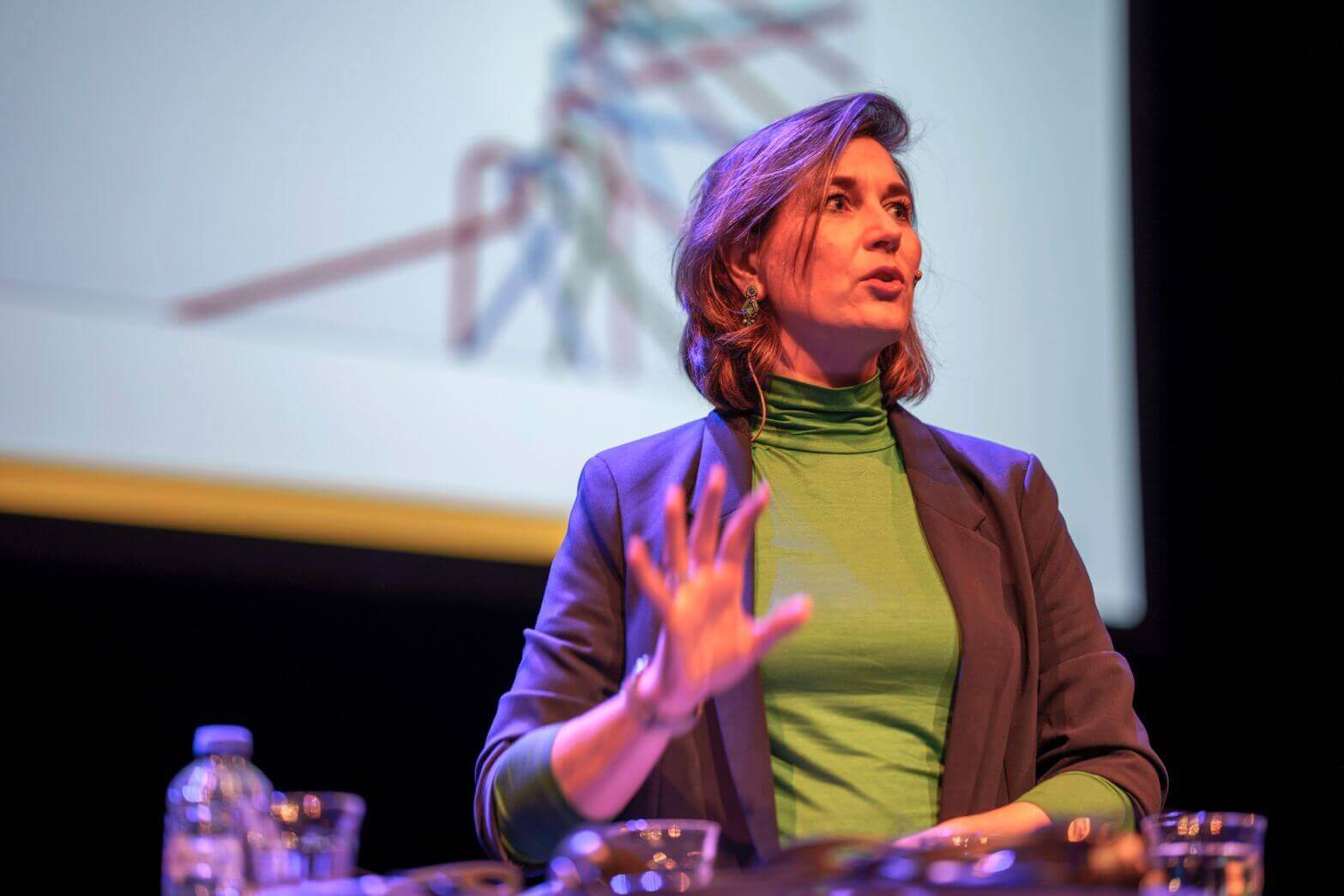
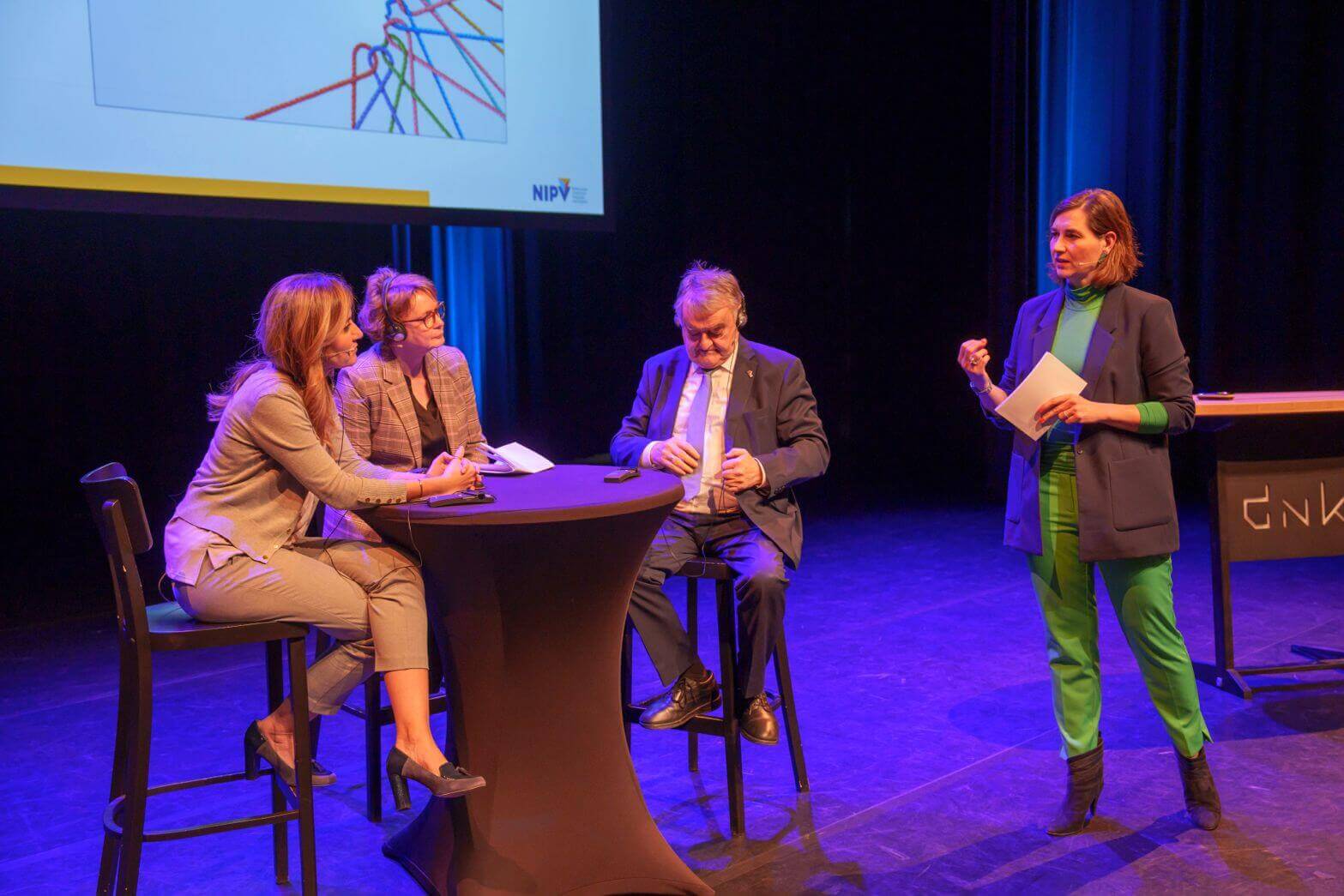
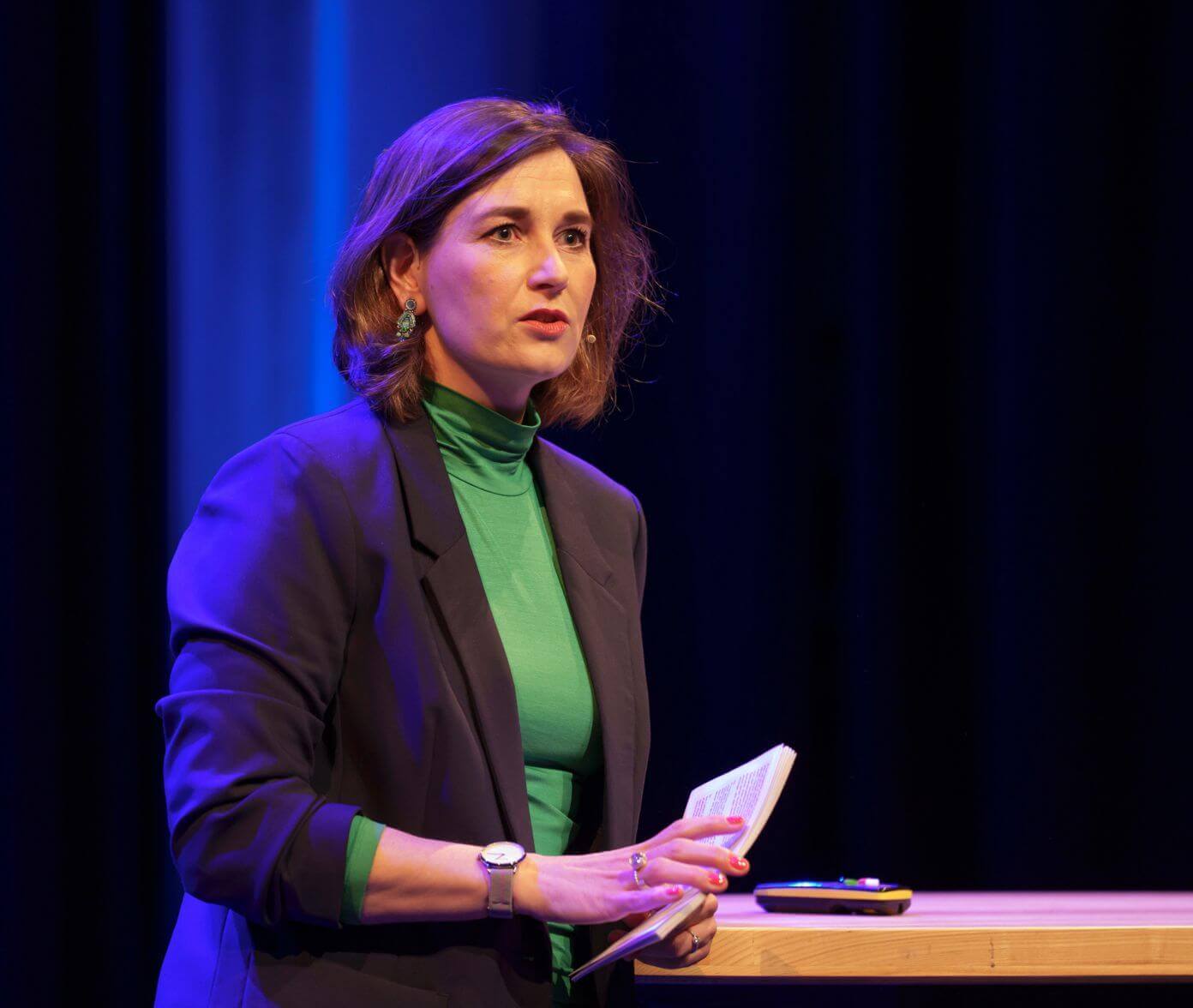
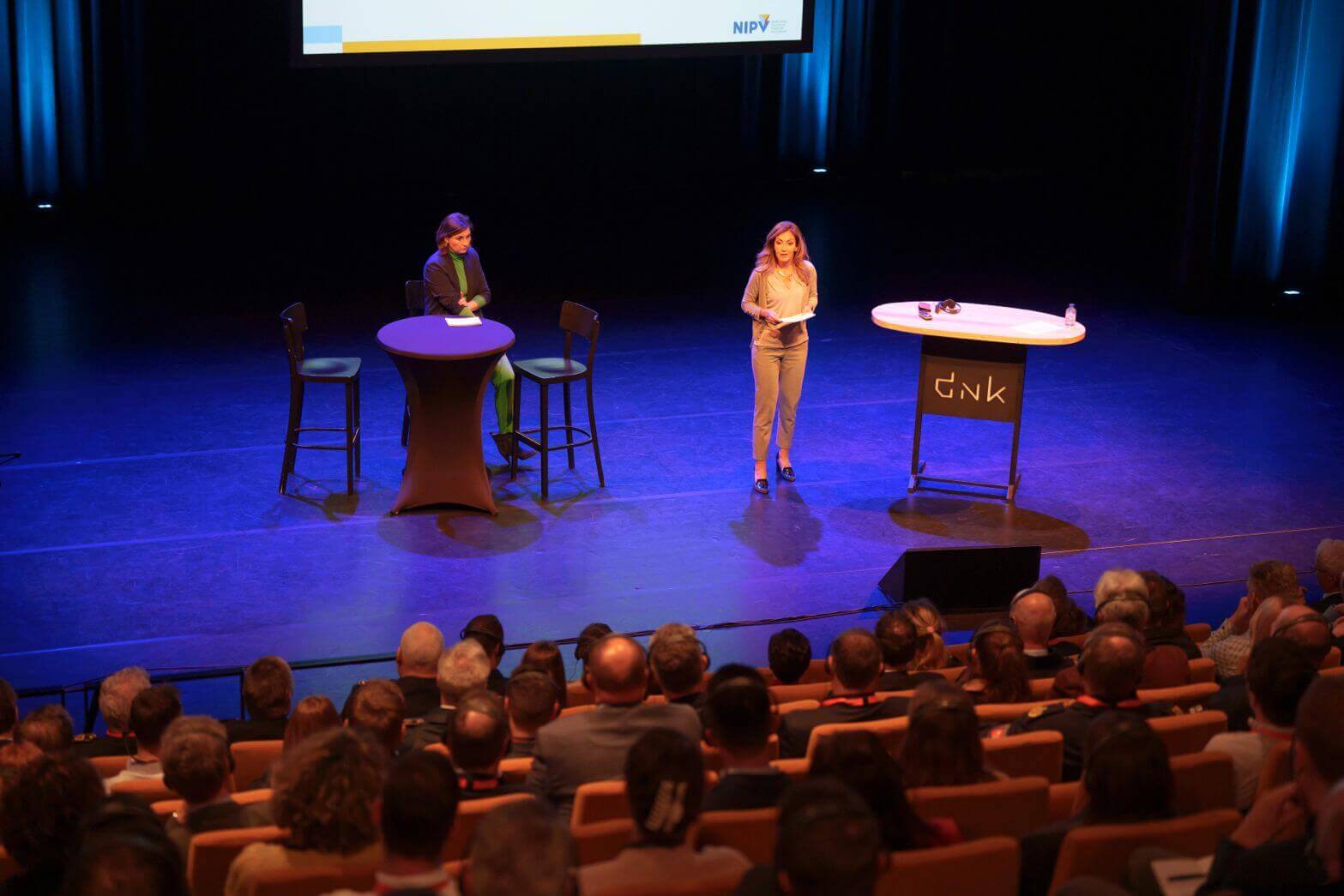
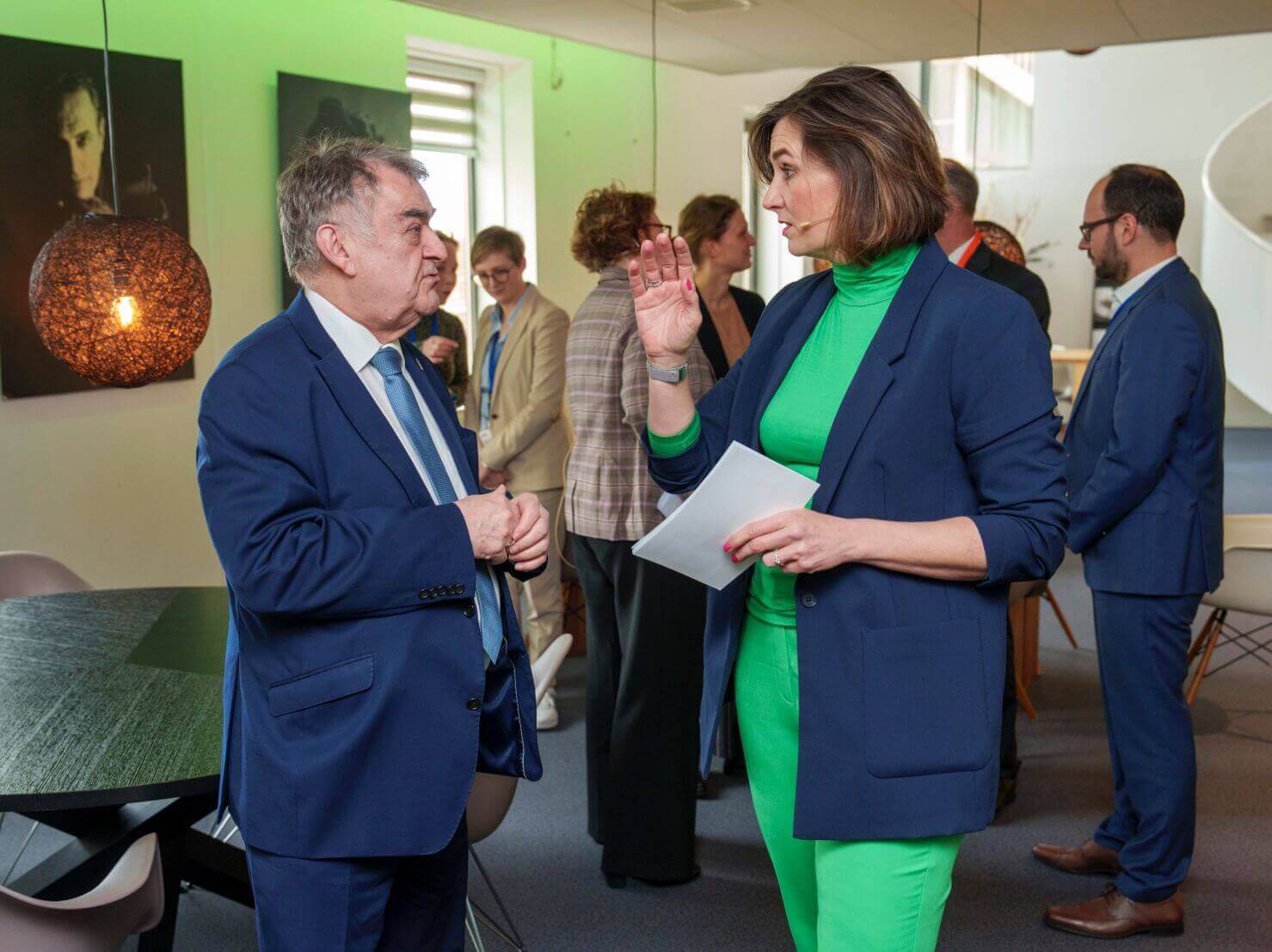
The Netherlands and the German state of North Rhine-Westphalia want to collaborate more closely in the areas of disaster response and crisis management—and learn lessons from the floods of July 2021. That was the outcome of the trilateral conference “Building Connections,” held on March 16 and 17 in Assen. The meeting was organized by the Dutch Ministry of Justice and Security in collaboration with the German states of North Rhine-Westphalia and Lower Saxony.
During this two-day meeting, topics discussed included the mutual exchange of information during incidents, crisis communication, and the role of border liaison officers. The aim of the conference was to strengthen cooperation in the field of disaster response and crisis management in the border region and to develop procedures that contribute to this. This includes, among other things, the way in which citizens are informed during a crisis. Lessons must also be learned from the floods of July 2021, with a particular focus on the flow of information between rescue workers, emergency responders, and crisis management teams. “As neighboring countries, we want to be able to rely on one another so that, in the event of a crisis, we can respond together quickly and as effectively as possible,” said Herbert Reul (CDU), Minister of the Interior for North Rhine-Westphalia. “Mutual understanding, knowledge of each other’s structures and concepts, as well as good working relationships, are crucial to this.”
