Journalist | Editor | Chairperson | Germany expert / correspondent | in Hilversum & Berlin
Radio 1: Germany Is Also Facing a Teacher Shortage
Overworked teachers and canceled classes: Just like the Netherlands, Germany is also grappling with a massive teacher shortage, which threatens to grow even worse in the coming years. How did it come to this, and what is the German government planning to do to fill classrooms with new teachers again? Germany expert Ulrike Nagel and Marion Veenman, a teacher at a high school in Kleve, Germany, discuss this.
In this conversation
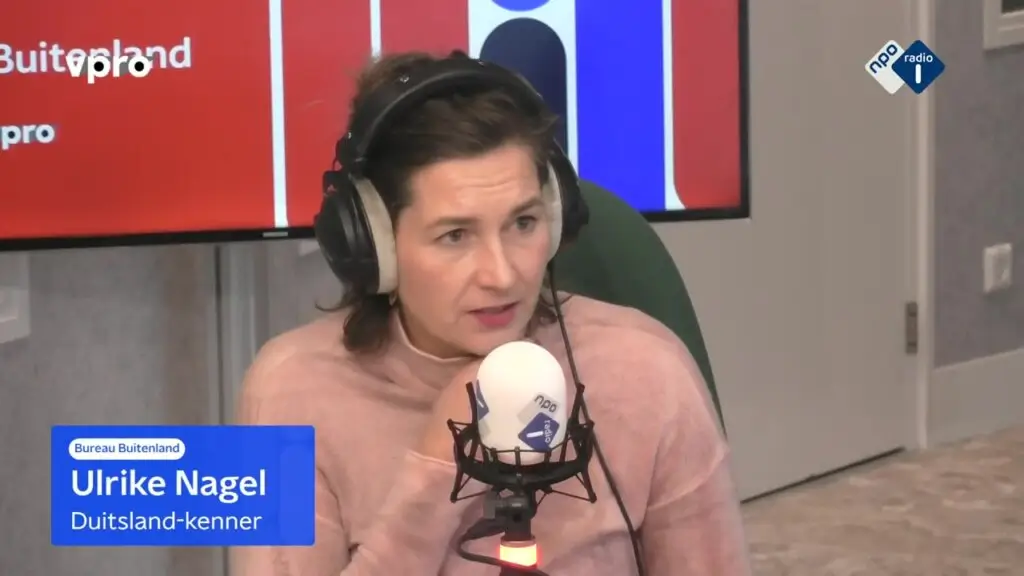
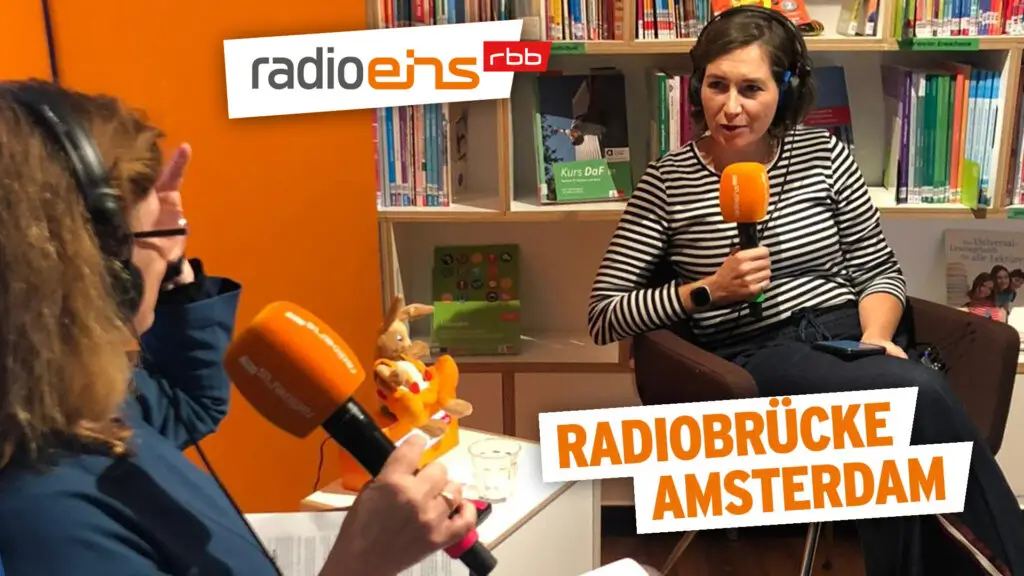
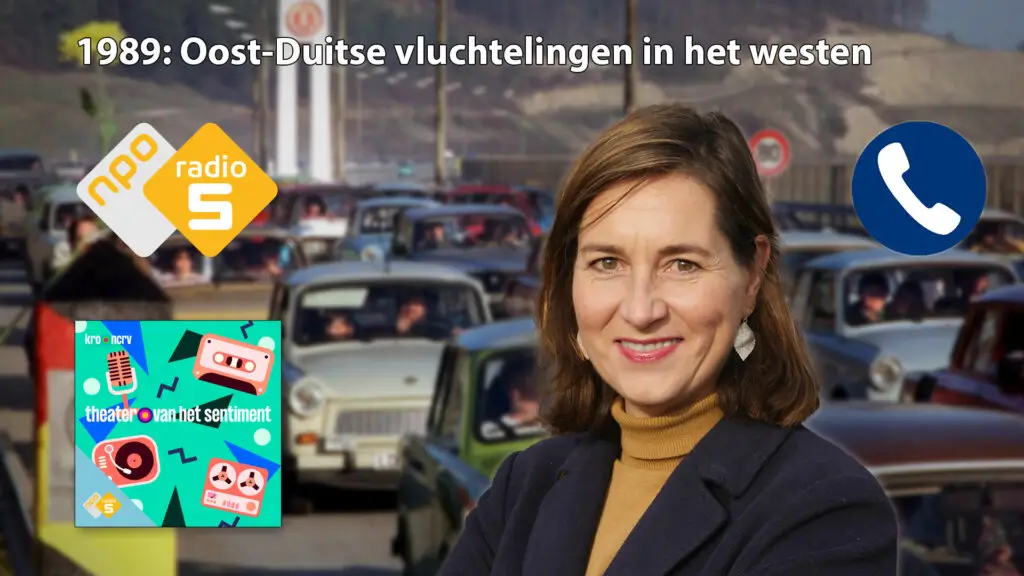
Journalist Ulrike Nagel and music teacher Marion Veenman discuss the growing teacher shortage in Germany on “Bureau Buitenland” on NPO Radio 1.
October 2, 2023 Ulrike Nagel – NPO Radio 1, Bureau Buitenland – Germany is also struggling with a teacher shortage
The Problem: A National Teacher Shortage
Scale and Forecast [02:34]: Figures for the teacher shortage vary, ranging from 12,000 according to a research institute to 40,000 according to a teachers’ union. This shortage is expected to rise to 80,000 over the next 10 years.
Regional Differences [00:45]: Marion Veenman, who teaches music in Kleve (a border region), notes that there is a significant difference between cities and regions. Many teachers are reluctant to move to the border region because of low salaries and limited opportunities. This leads to canceled classes and students having to switch schools if their desired courses aren’t offered [01:34].
Admission Requirements and Study Spots [03:26]: Some states have a limited number of spots in teacher training programs and enforce a numerus clausus (requiring very high grades), which means many potential students are not admitted.
Long Training Program [08:02]: The training program is lengthy, involving two fields of study and a teaching internship period, which means teachers start their careers later than in the Netherlands.
Bureaucracy and Workload [05:52]: German bureaucracy, with its many forms and slow decision-making, demotivates young teachers. Marion Veeman herself experiences a high workload due to numerous meetings and administrative tasks, which is particularly burdensome for young parents [10:31]. The hierarchy in schools, especially in larger cities like Berlin, and additional administrative and managerial tasks contribute to this.
Ulrike Nagel on Radio 1
Possible Solutions and Challenges
Career Changers and Civil Servant Status [04:07]: Like the Netherlands, Germany is focusing on career changers. In Berlin, where teachers did not have civil servant status for a long time, 23% of new teachers are career changers. Civil servant status, with a good pension and benefits, is a major draw for teachers in Germany.
National Strategy vs. State Policy [08:17]: The federal government in Berlin aims to make the profession more attractive by, among other things, reducing the number of required subjects from two to one and making it easier to recognize international degrees. However, each state determines its own education policy, which complicates nationwide reforms [08:47].
Regional Incentives [09:15]: Some states, such as Bavaria and North Rhine-Westphalia, offer financial incentives (e.g., a €300 bonus or relocation allowance) to attract teachers to rural areas.
Cooperation [08:17]: Greater cooperation between states and a shift from full-time to part-time positions to reduce workloads are also being considered.
Crisis in Education [07:04]: German Education Minister Bettina Stark-Watzinger speaks of a “crisis in education” and urges swift action.
The solution to the teacher shortage in Germany is complex and requires adjustments at both the national and state levels to make the profession more attractive and lower bureaucratic barriers.
On “Bureau Buitenland,” you’ll hear international news, reports, and geopolitical analysis. Featuring background analysis and compelling stories, Monday through Friday from 1:30 to 2:00 p.m. Hosts: Sophie Derkzen and Tim de Wit