Journalist | Editor | Chairperson | Germany expert / correspondent | in Hilversum & Berlin
On Radio 1: How will the attack in Munich affect the German elections?
A tragedy has unfolded in the German city of Munich. This morning, a car plowed into a group of people there. According to the prime minister of the state of Bavaria, the incident is believed to be an attack carried out by an Afghan asylum seeker. What do we know so far, and what does this mean in the run-up to the German elections on February 23?
Host Tijs van den Brink in conversation with:
Ulrike Nagel, Germany expert
Steije Hofhuis, researcher at the Wissenschaftszentrum Berlin, Department of Migration and Diversity
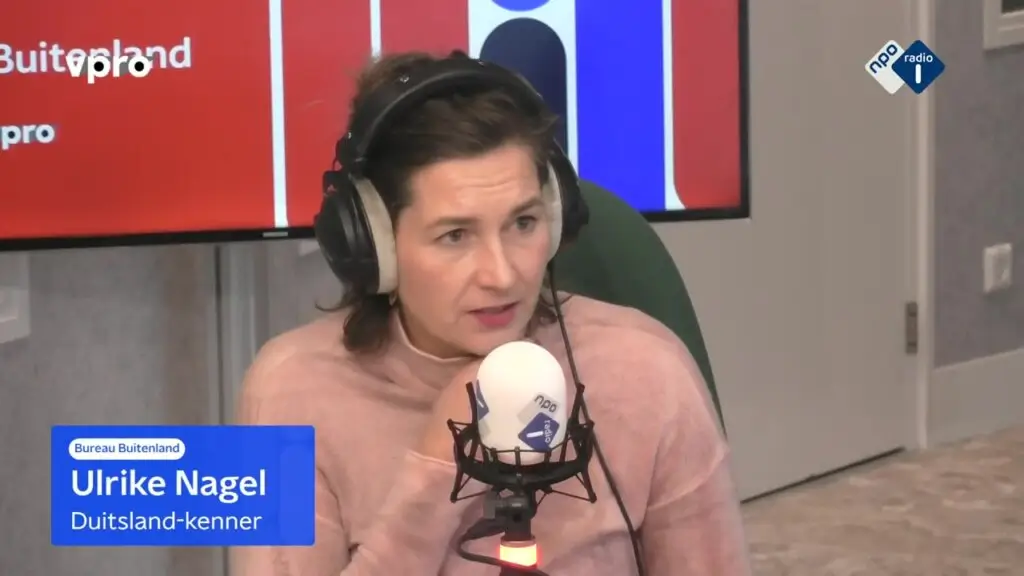
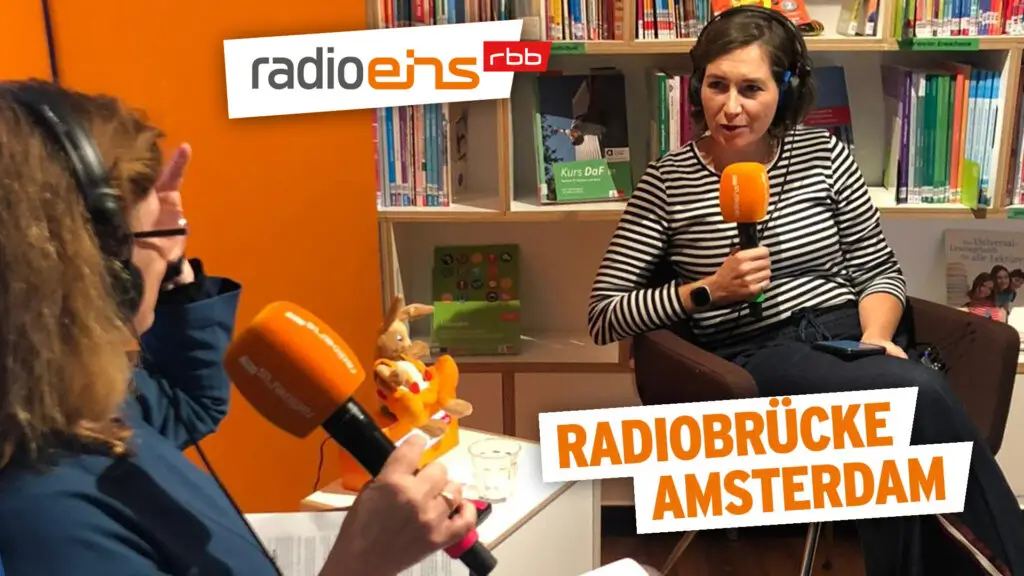
Ulrike Nagel in the Radio 1 studio with Tijs van den Brink discussing the attack in Munich and the German elections.
Topics discussed in this conversation
Germany expert Ulrike Nagel and researcher Steijn Hofhuis discuss the potential impact of an attack in Munich, carried out by an Afghan asylum seeker, on the upcoming German elections.
The Munich Attack and the Elections [00:01]: Following the attack in Munich, which involved an Afghan asylum seeker, Ulrike Nagel and Hofhuis express their concern about the impact on the elections. Hofhuis expects this to further inflame the debate and benefit the AfD and CDU, while forcing the SPD and the Greens onto the defensive [00:43].
Problems with the German Asylum System [01:32]: According to Hofhuis, the attack in Munich and previous incidents involving rejected asylum seekers point to problems with the German asylum system. The system under which asylum seekers are screened in Germany leads to a lack of oversight and an overrepresentation of young men among asylum seekers. People who are not entitled to asylum are often difficult to deport [01:50]. The CDU has changed its position and now advocates for a fundamentally new model, in which asylum procedures take place outside of Europe and an invitation-based system is used [03:24].
Media and Political Motives [04:10]: It is striking that the German media were quick to report on the suspect’s Muslim background, which is unusual for the typically restrained German press [04:21]. Nagel suggests that this is related to the election campaign, in which parties such as the CSU/CDU are immediately using this news to justify stricter measures [05:05]. The German public media’s reluctance to share all information immediately is disputed, as this could undermine viewers’ trust [06:01].
Ulrike Nagel in the Radio 1 studio with Tijs van den Brink discussing the attack in Munich and the German elections.
Discussion and Bureaucracy [07:18]: Hofhuis emphasizes that the debate on these issues has been long delayed, and that an open discussion—even with the risks of careless reporting—is a healthy corrective [07:31]. Nagel describes German perfectionism and bureaucracy, which make it difficult to deport undesirable individuals. A recent report shows just how difficult it is to actually get the 200,000 people who are supposed to be deported out of the country [08:13].
Impact on the Election [10:03]: Hofhuis expects that the attack in Munich will benefit parties advocating for stricter immigration policies, such as the AfD and CDU, which see their positions as validated. Although the SPD has also taken stricter measures under pressure, their party platforms remain focused on continuing the current model [10:14]. Nagel believes this will only further embolden the parties that are taking a more extreme approach [11:21].
The video shows how a recent event is putting further pressure on Germany’s already tense political landscape, and how the complex issue of migration and security is playing a major role in the upcoming elections.
The radio program *Dit is de Dag*, broadcast on NPO Radio 1, is a daily show that airs from 6:30 to 7:00 p.m. The program focuses on discussing current events and social issues. During the broadcast, various guests—including experts, politicians, and stakeholders—are invited to share their perspectives and opinions on relevant issues.