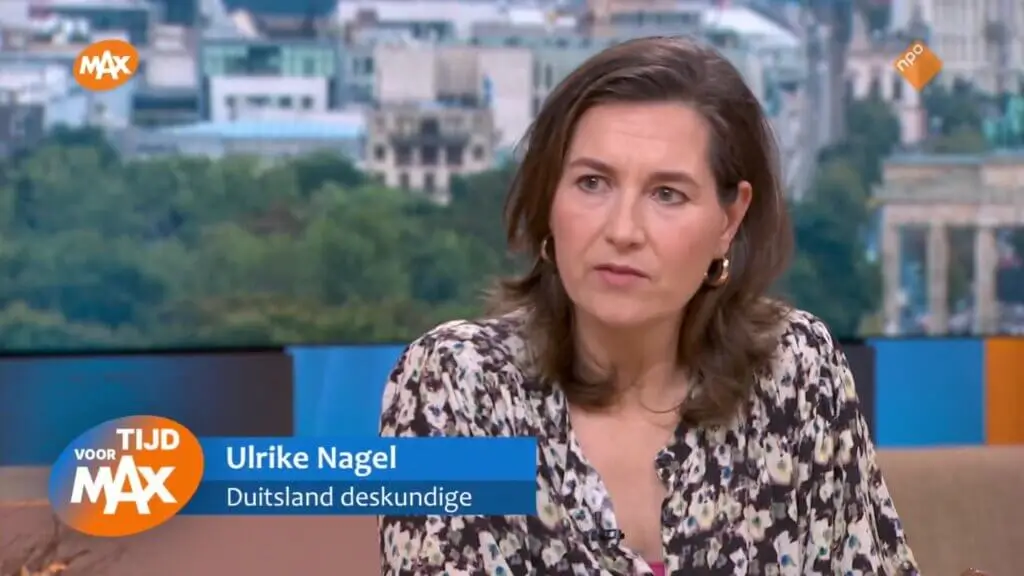
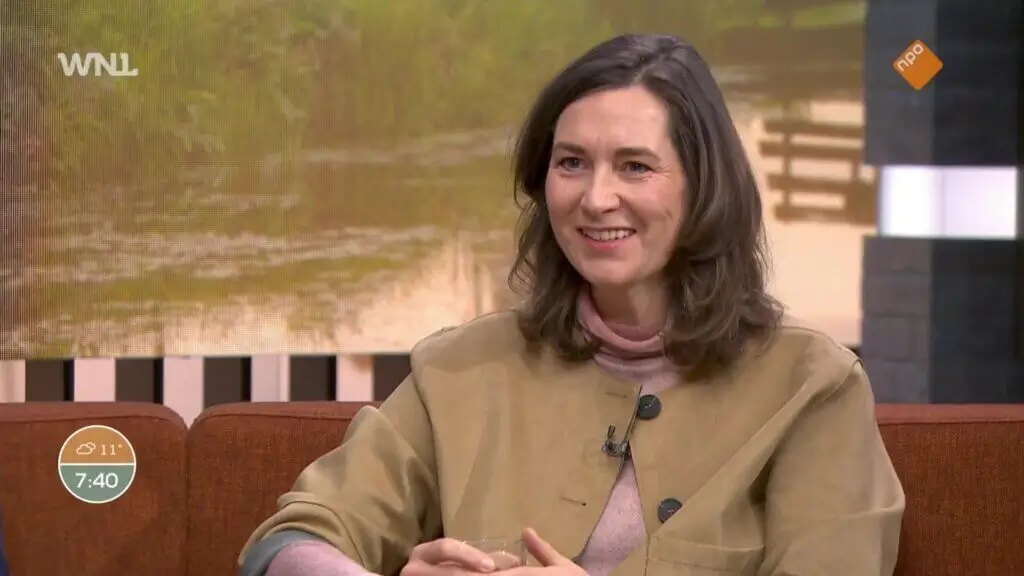
On the talk show *Jinek*, host Eva Jinek discusses with her guests the political unrest in Germany and the rapid rise of the far-right party, the AfD (Alternative für Deutschland). The broadcast explores the factors behind this development and its potential consequences. Jinek leads the discussion with two guests: Ulrike Nagel, who has a German background, and Jeroen Wollaars, a correspondent in Germany.
Causes and Context of the AfD’s Rise
Shifting sentiment on migration: A key factor in the AfD’s popularity is public concern about migration. A recent incident, in which a rejected asylum seeker attacked and killed a child and a man, marked a turning point in the election campaign. According to police statistics, incidents of this kind are becoming less frequent, but they are being exaggerated by the media and social media. Opinion polls show that 68% of Germans believe too many migrants are coming to their country.
Historical Comparison and Taboo: The rise of a far-right party is particularly sensitive in Germany due to the country’s wartime past and Nazi history. Historically, it was considered taboo to openly express far-right or extreme-right ideas, but that taboo has since faded. Some members of the population say, “Wir haben Hitler schon gehabt,” while others compare the recent protests to “not again.”
Protest votes: Many voters view the AfD as a protest vote. The party attracts votes from dissatisfied citizens who oppose established policies, such as those of former Chancellor Merkel. The exclusion of the AfD by other parties—a so-called “cordon sanitaire”—actually fuels this discontent.
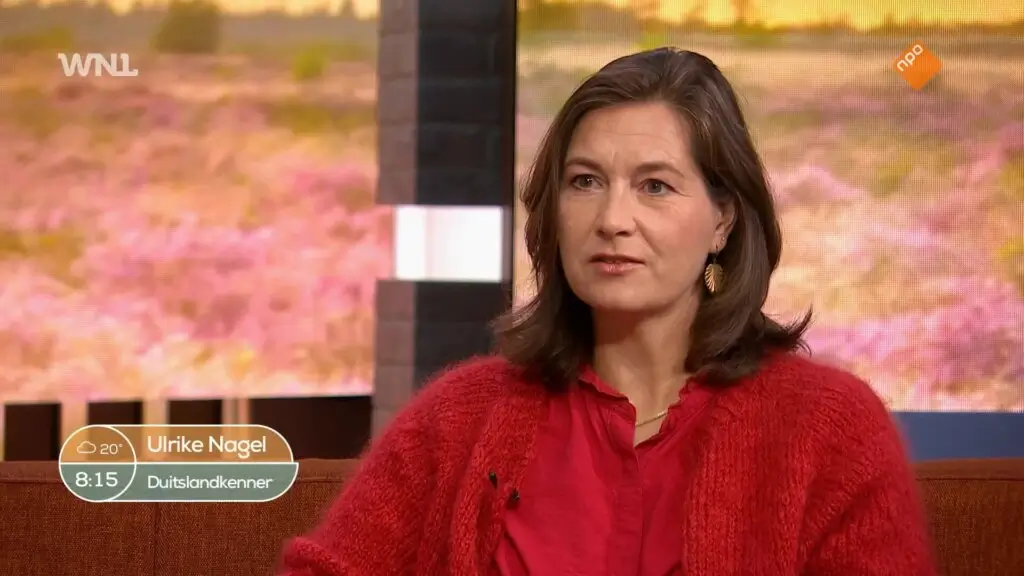
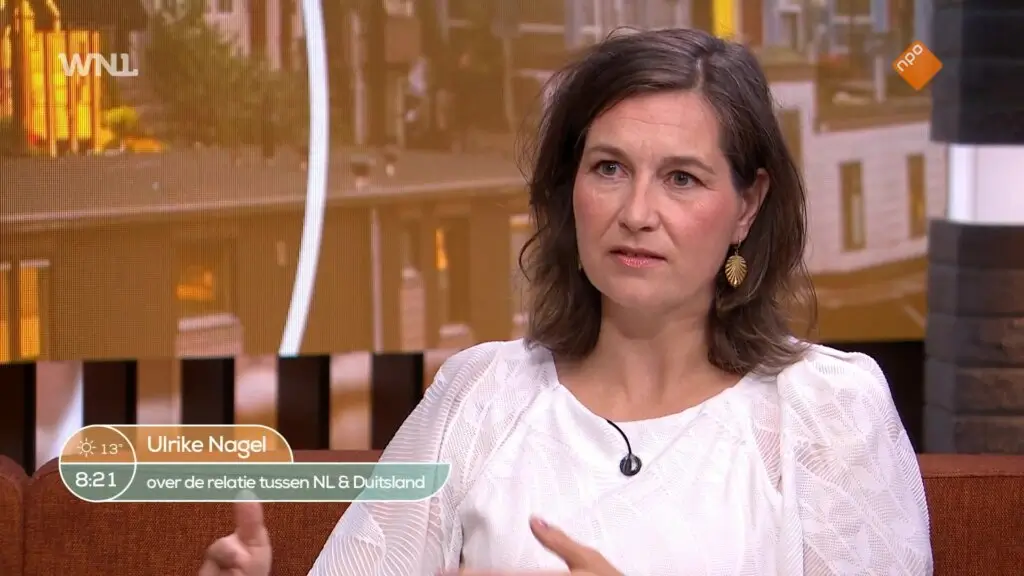
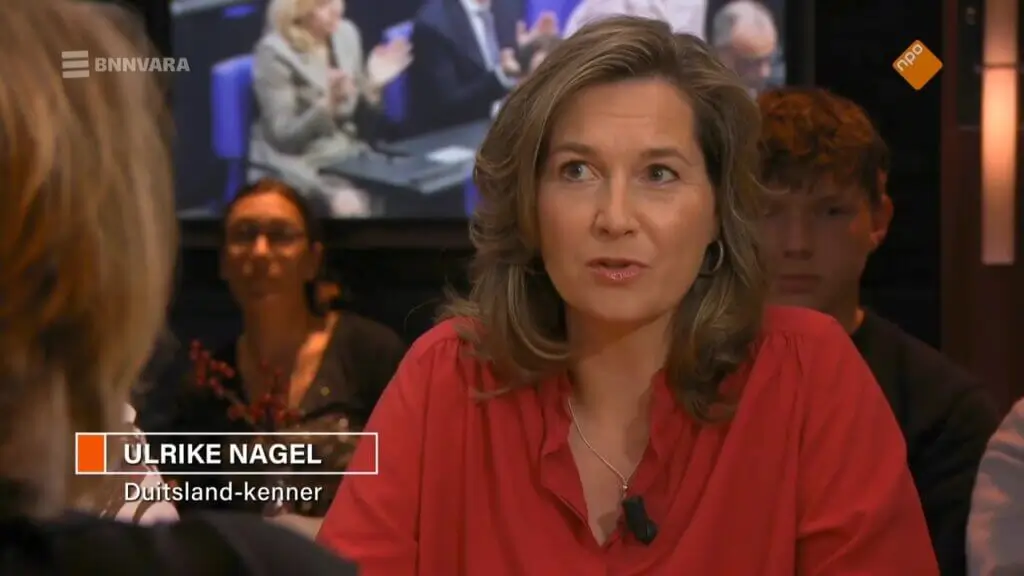
Ulrike Nagel joins Jeroen Wollaars and Coks Donders on Eva Jinek’s show to discuss the German elections.
AfD’s Positions and Political Reactions
AfD’s positions: The AfD advocates for a stricter immigration policy, with plans such as permanent border controls and the rejection of asylum seekers who have already traveled through a “safe country.” The party also supports “remigration” and deportation.
German Centrist Parties: In response to the shift in public sentiment, the CDU-CSU—the party likely to win the election—has adjusted its strategy. Originally focused on the economy, the party is now shifting toward a stricter immigration policy.
Cordon sanitaire: Controversy has arisen because CDU leader Friedrich Merz submitted a motion on migration that the AfD supported, thereby breaking an earlier promise not to cooperate with the AfD.
Ulrike Nagel joins Jeroen Wollaars and Coks Donders on Eva Jinek’s show to discuss the German elections.
Implications for Europe
Jeroen concludes that developments in Germany may have significant consequences for Europe. If Germany adopts a stricter asylum policy, this could influence other European countries and reinforce the overall trend toward stricter migration policies. Nevertheless, he does not expect the AfD to become the largest party, but he does believe that the impact of their rise on the German political landscape will be significant.
About this conversation
The episode of Jinek focused on the upcoming elections in Germany and the rise of the far-right AfD party. The discussion gained added weight through the presence of Ulrike Nagel, who, as the only native-born German at the table, added a personal and historical-cultural dimension.
Ulrike Nagel’s contribution: a German perspective
Nagel explicitly drew on her background—having grown up in East Germany, now living in the Netherlands, but with many family members and friends still in Germany—to represent not only an analytical but also an emotional perspective. She emphasized just how deeply divided Germany is: on the one hand, a rapidly growing group of voters turning to the AfD; on the other, a strong counter-movement that is resisting with passion and massive protests.
According to Nagel, there was a recent turning point: following a heated debate in the Bundestag, more than 160,000 people took to the streets to demonstrate in support of democratic values. She saw this as a sign that the political center, which had remained silent for a long time, is now mobilizing. Nagel explained that this is crucial because democracy in Germany—with its heavy legacy from World War II—always balances between the normalization of the far right and a deep collective warning: “Nie wieder – jetzt.”
Normalization and Shifts in Language
Nagel further pointed out that the taboos surrounding far-right language are increasingly disappearing. Whereas it used to be unthinkable to openly express AfD views or xenophobic opinions, this is now happening. According to her, this is partly due to economic uncertainties, especially in eastern Germany, but also to the role of social media, which magnifies incidents and reinforces fear-mongering.
She warned that this process is not harmless: the AfD now uses terms such as “remigration” (the deportation of migrants) and is shifting toward terminology that is both familiar and notorious from history. Precisely because the AfD is taking deeper root at the local level, there is a danger that this kind of discourse will become normalized in society.
Ulrike Nagel joins Jeroen Wollaars and Coks Donders on Eva Jinek’s show to discuss the German elections.
Rebelling Against Both the AfD and the Establishment
Nagel also made it clear that the current situation is not simply a battle between “right” and “wrong.” Many Germans see the AfD as an outlet for their frustrations, partly as a protest against the political establishment. She noted that this electorate often feels unheard. At the same time, the AfD is not a party that is truly closer to the people: it, too, operates far removed from voters’ daily lives.
Her analysis aligned with the broader argument that it is dangerous to ignore or simply dismiss AfD voters. Doing so only fuels feelings of alienation and anti-establishment sentiment.
Historical Significance and Moral Appeal
What made Nagel’s contribution unique was the way she linked the historical dimension to the current debate. She reminded the audience that Germany is still grappling with the shadow of Hitler and the Holocaust. That is why, she argued, the fight against the normalization of the far right in Germany is fundamentally different from that in the Netherlands or other European countries.
Nagel placed the protests against the AfD in that context: it is not merely a political disagreement, but a fundamental moral appeal—a duty that stems from the past. She emphasized that many Germans, including those in her personal circle, are convinced that this must not be allowed to become the norm.
Conclusion
With her contribution, Ulrike Nagel added depth and urgency to the discussion. While other panelists analyzed the rise of the AfD primarily in terms of political strategy or media effects, she brought the conversation back to its core: the struggle for the soul of German democracy. Her message was twofold: there is danger posed by the growth of the AfD and the shifting of norms, but there is also hope because the center of society is now waking up and taking action en masse.
Background ↴
With less than three weeks to go, our neighbors to the east are holding their breath. After the era of Merkel and Scholz, voters want drastic new policies sooner rather than later. The right-wing Alternative für Deutschland is on the rise.
Germany is gearing up for early Bundestag elections. Following the collapse of the Scholz government, the federal president ruled that Germans will go to the polls on February 23 to elect a new parliament. In the polls, the CDU/CSU, led by party leader Friedrich Merz, is in the lead.
The parties that believe they have a chance of becoming the largest party and nominating the chancellor refer to their party leader as the “chancellor candidate” (Kanzlerkandidat). All five parties—the CDU/CSU, the SPD, the Greens, the AfD, and the BSW—have a chancellor candidate this time around. The other parties refer to their party leaders as “Spitzenkandidat.”
Greens: Kanzlerkandidat Robert Habeck forms a leadership duo with Annalena Baerbock.
AfD: Chancellorship candidate Alice Weidel
FDP: Christian Lindner, Spitzenkandidat
Die Linke: Top candidates Heidi Reichinnek and Jan van Aken
BSW: Chancellor candidate Sahra Wagenknecht
None of the parties want to cooperate with the AfD. The CDU/CSU also rules out Die Linke. Based on the polls, the Christian Democrats appear set to become the largest party. This makes a coalition between the CDU/CSU and the SPD—a so-called Grand Coalition—highly likely. It remains unclear whether such a coalition would hold a majority of seats in the Bundestag. One of the smaller parties may need to join the coalition. A coalition of the CDU/CSU, SPD, and the Greens could likely secure a majority, but the Christian Democrats are not keen on this option. A coalition of the CDU/CSU with only the Greens also has a chance of securing a majority. CSU leader Söder rules out cooperation with the Greens, but CDU leader Merz is keeping the option open, though he, too, makes it clear that it is not his preference.
Want to start your day with a burst of energy? Want to understand the news, but also be moved by extraordinary stories and amazing performances? Then tune in Monday through Thursday to Eva Jinek’s talk show on AVROTROS. “Eva” is a talk show produced by AVROTROS on NPO 1 and hosted by Eva Jinek. It airs Monday through Thursday from 7:00 to 8:00 p.m.