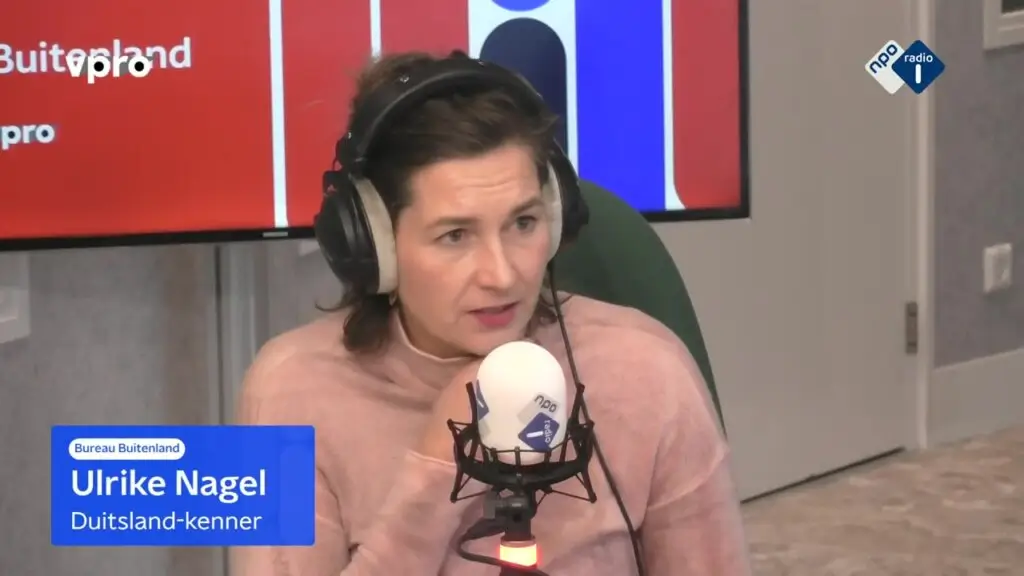
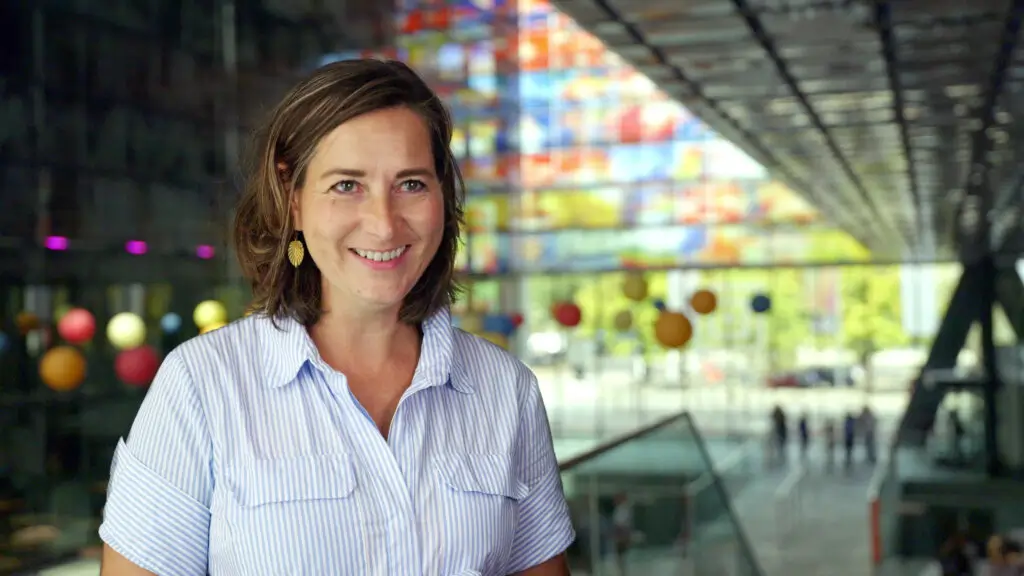
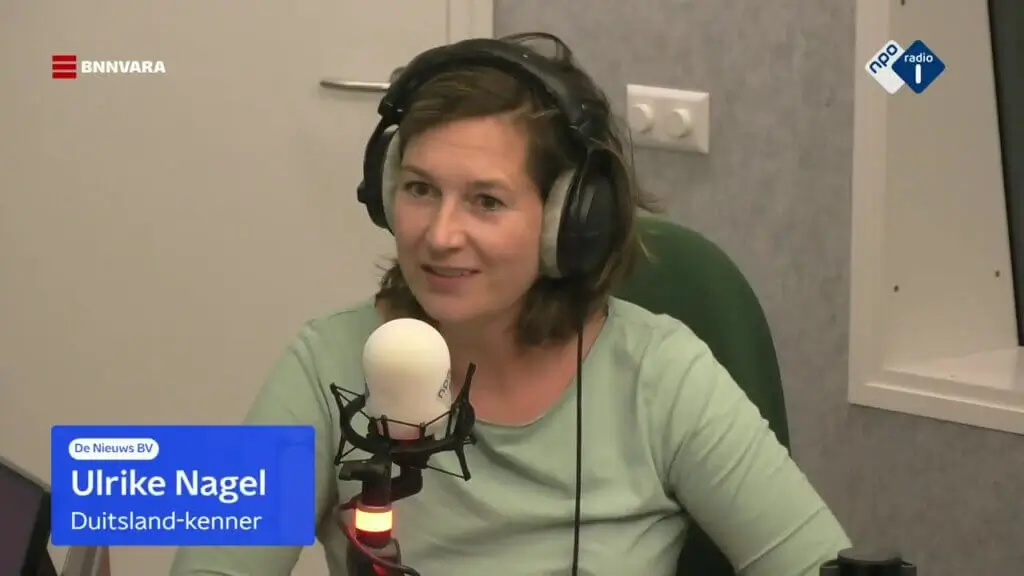
Ulrike Nagel on the NPO Zapp podcast “When I Was 12”

In the podcast series “When I Was 12,” Ulrike talks about life in the GDR and the fall of the Wall. This podcast by Willem Wever is aimed at children and features exciting stories based on real events. In the podcast “When I Was 12,” Ulrike Nagel shares her personal story about growing up in East Berlin in the GDR and the impact of the fall of the Berlin Wall.

Summary of this podcast ↴
  • Childhood in East Berlin [00:34]: Ulrike grew up in a typical gray apartment building in East Berlin. After a period without hot water or central heating, her family moved into a new apartment, which was the height of luxury at the time. East Germany was the poorer part of Germany, where everything was dictated by the leaders, and many people had identical furniture [01:21].
  • The Division of Germany [02:05]: After World War II, Germany, including Berlin, was divided into four zones to prevent another war. The Soviet Union controlled East Germany, which led to a communist system. Ulrike’s mother worked near the border on Friedrichstraße, where East Germans were not allowed to travel to West Berlin, and soldiers guarded the border [02:57].
  • The Iron Curtain and the Wall [03:37]: East Germany viewed the West as the enemy. The border was secured with fences, barbed wire, and minefields. Because many people were trying to flee, the Berlin Wall was suddenly built in 1961 to keep residents inside [04:12]. Only on special occasions was one family member allowed to cross the border [05:08].
  • Life as a Child in the GDR [05:39]: As a child, Ulrike didn’t notice much of the restrictions, except for the lack of choice. She remembers ugly glasses, but also lots of toys and LPs with radio plays, such as those by Pittiplatsch. Packages from West Germany containing brightly colored clothes and Western toys, such as Barbies, were a rare treat [07:03]. There were Intershops that sold Western products, but they were expensive [07:51].
  • Food and School [08:19]: The GDR tried to produce as much as possible on its own. Bananas were scarce, although Ulrike’s father, who worked in the transportation sector, ate a lot of rejected bananas [08:39]. Hot meals were served at school; Ulrike remembers dishes like “Dead Grandma” (blood sausage) and “Mustard Egg” [09:40]. Brand-name clothing was banned at school [11:03].
  • Control and Security [11:37]: The state monitored and eavesdropped, and people were required to spy on one another. Journalists wrote what the state wanted them to. Although life for adults wasn’t pleasant in the GDR, it was actually very safe for children. There were no homeless or unemployed people. Ulrike was allowed to take the tram to the swimming pool by herself as early as age six [13:55].
  • Propaganda and Youth Organizations [15:03]: As a teenager, life became more serious. Ulrike was required to join the Young Pioneers, a youth organization where members wore a blue and, later, a red neckerchief. They were given a booklet with “ten commandments,” including keeping the body healthy through sports [15:14].
  • The Fall of the Wall [16:33]: Western influences were becoming increasingly prevalent. The buildings were crumbling, and there was widespread protest against travel restrictions. On November 9, 1989, the border in Berlin unexpectedly opened. Ulrike slept through the news, but the next day she went to West Berlin with her father and great-grandmother. She bought the Barbie doll she’d long wanted with 100 marks of “welcome money” and enjoyed a McDonald’s meal [19:30].
  • Change and Legacy [20:32]: Overnight, Ulrike’s life—and that of all East Germans—changed completely. Supermarkets were transformed, and libraries filled with Western books. Ulrike is grateful for the freedom she now has and reflects on the abundance in today’s society. She emphasizes the need to appreciate what we have [21:34].
Ulrike vertelt in de postcast-serie “Toen was ik 12” over leven in de DDR en over de val van de muur.
In the podcast series “When I Was 12,” Ulrike talks about life in the GDR and the fall of the Wall.

Toen was ik 12 Podcast logo

Willem Wever’s podcast for children, featuring exciting stories that really happened. Because sometimes, without even realizing it, you’re part of a major event in Dutch history. Created by: Lyda van Westen, Andre Broertjes, Maarten Bleumers, Evelien Veldboom, Josephine Hoogland, Robin Peters, Geesje Oostland, Rudy Mackay, Michaël van Putten & Stefan Stasse. Special thanks to Jennemiek van Gestel.