Journalist | Editor | Chairperson | Germany expert / correspondent | in Hilversum & Berlin
Radio 1: The Legacy of Angela Merkel, a Child of the GDR
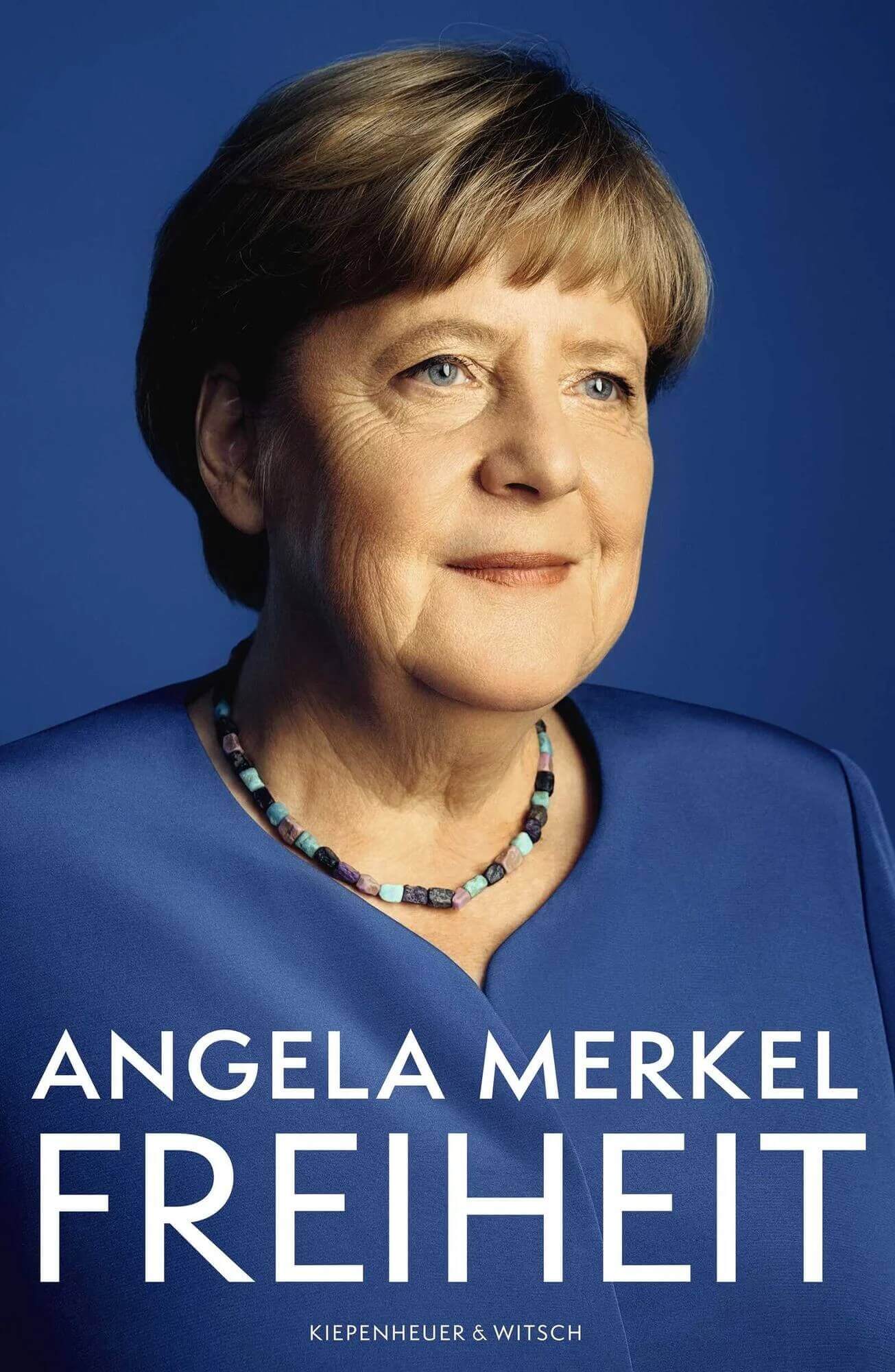
This week sees the release of Angela Merkel’s memoirs: the life of the once most powerful woman in Germany, in her own words, spanning over 700 pages. It goes without saying that “Mutti” Angela Merkel has had a major impact on world politics. In her memoirs, she writes at length about Putin, the Pope, and her meetings with Donald Trump. But how did her East German childhood influence her politics? And what, aside from “wir schaffen das,” is her legacy in Germany itself? Our guest is Ulrike Nagel, an expert on Germany who herself grew up in East Germany—a topic she explored in the podcast “Over de Muur,” available on NPO Luister and Spotify.
Summary of the conversation ↴
Journalist Ulrike Nagel discusses Angela Merkel’s memoirs and legacy on the “Vroege podcast” on NPO Radio 1, with a special focus on her East German childhood and its influence on her politics.
Getting to Know Merkel [01:02]: Ulrike Nagel first took notice of Merkel when she was in her twenties, during the first election in which Merkel was a candidate. The fact that Merkel was East German and a woman in the male-dominated West German political scene made an impression on Nagel, who even voted for her even though she didn’t share her political views [01:35].
Merkel’s Youth and Personality [02:11]: Nagel is particularly curious about Merkel’s youth in the GDR and how it shaped her. Merkel, 25 years older than Nagel, was an adult when the Wall fell [02:44]. Merkel was known for being reserved and strategic. She learned early on that everything you say in politics can be twisted, and developed a “switch” to shut off her emotions in order to survive in the male-dominated world of politics [04:11].
“Living On The Edge” in the GDR [06:03]: Merkel’s statement that “discovering where your limits lay was the true art of living” in the GDR resonates with Nagel. Even as a child, you already knew what the rules were, such as the ban on brand-name clothing at school [06:37]. Merkel’s background as the daughter of a pastor in the GDR—an unusual choice for a Christian family—gave her a place in the tolerated church, which later became a sanctuary for protest [08:05]. Merkel chose to study physics because “two times two was simply four” in East Germany [10:07], presumably to avoid political indoctrination.
The Making of the Memoirs [12:48]: The memoirs were written in collaboration with a close confidante, Beate Bouwman. The process was highly exclusive, with no advance releases, and is estimated to have yielded more than 10 million euros through a bidding war among publishers [13:26]. Merkel retains control over the publication and will give interviews with world leaders such as Barack Obama [14:19].
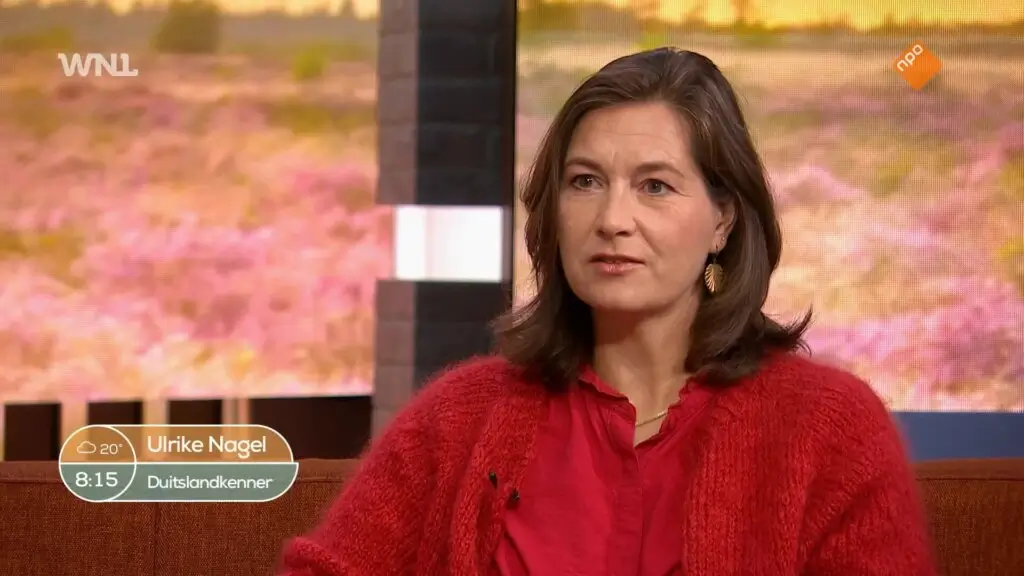
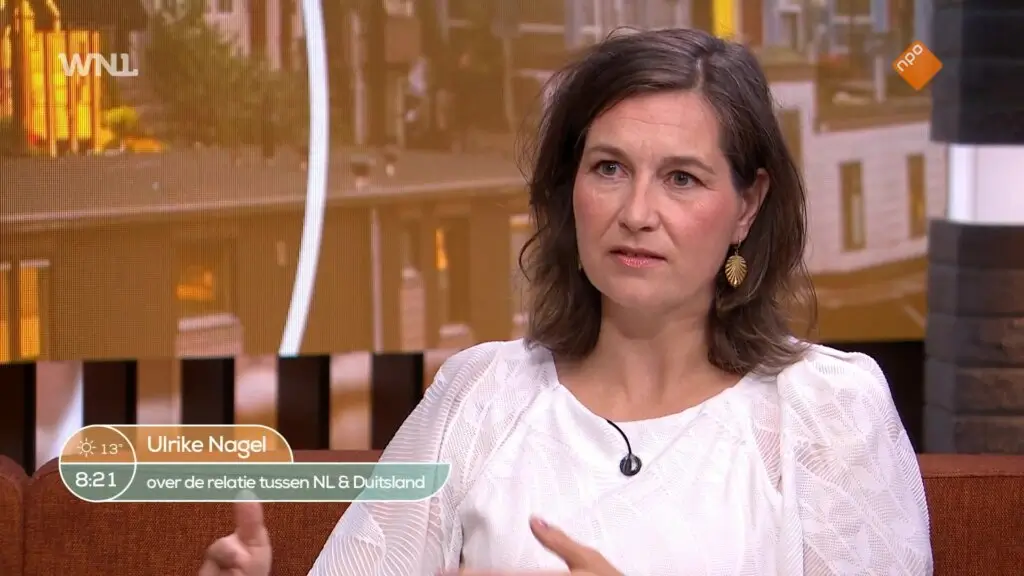
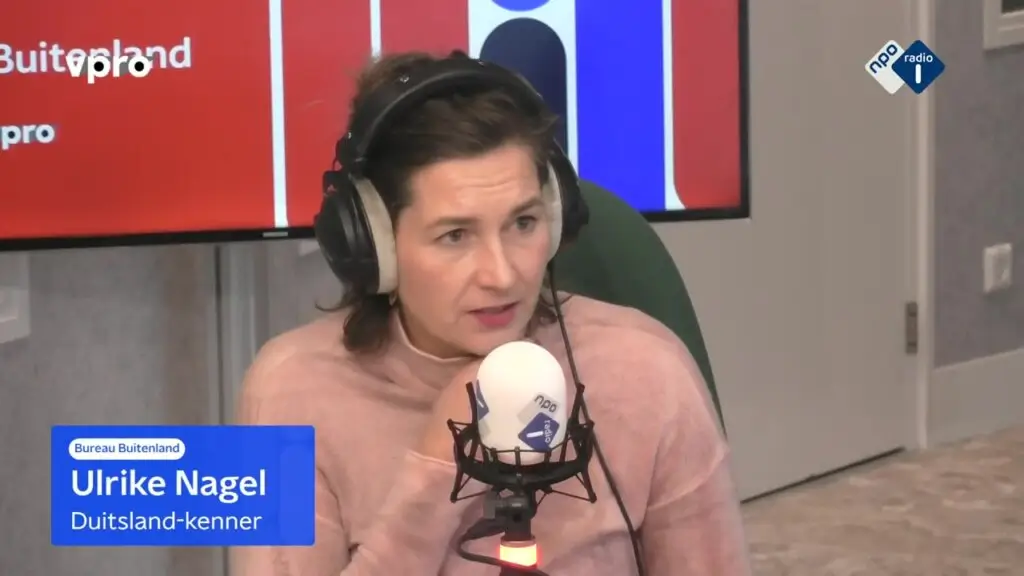
Ulrike Nagel on Radio 1 – Vroeg – discussing Angela Merkel
Collectivism vs. Individualism [15:51]: East German upbringing emphasized the group and collective achievements, in contrast to West German individualism. Nagel gives the example of collecting bottles for the school community [19:11]. However, throughout her political career, Merkel has often put her own interests first to achieve her goals [23:34]. She abandoned former Chancellor Helmut Kohl during a scandal, which Kohl interpreted as a quest for power [23:52].
Criticism of Merkel’s Legacy [30:39]: Following her departure, Merkel’s legacy is being viewed with increasing criticism, particularly regarding her “Wir schaffen das” policy during the 2015 refugee crisis and her relationship with Putin, in which she approved the Nord Stream 1 and 2 gas pipelines [32:50]. She is criticized for her lack of investment in infrastructure and digitalization [32:19].
Distance from the People [35:14]: According to critics, Merkel was too clever and intellectual, which made her less in touch with ordinary people. The hierarchy in German politics is much greater than in the Netherlands, and politicians are less accessible [36:45]. Merkel was unable to explain her policies and strategies clearly to the public, which led to frustration. This stands in contrast to Dutch politicians such as Rutte, who seek more direct contact with the public [37:30].
Popularity and Change [39:10]: Merkel was initially very popular, but her popularity declined. This is linked to the major changes following the fall of the Wall, during which East Germans had to reinvent their lives [39:22], and the societal shift toward a greater appreciation for human politicians [43:27].
Germany After Merkel [44:10]: After Merkel’s departure, a series of crises erupted. She is criticized for not having been innovative enough or for not having given sufficient thought to the future. Despite the criticism, she was a symbol of stability and a respected world leader [46:12].
Women and Role Models [27:17]: When asked whether Merkel is a role model for young women, Nagel argues that Merkel was not explicitly feminist and did not emphasize her femininity. She normalized the position of a woman at the top by simply doing it, without making a big deal out of it [29:20].
Hosted by: Anna Pleijsier. Every weekday between 5:00 a.m. and 6:00 a.m., BNNVARA kicks off the day with the morning show “Vroeg!” Every day, Merel Wielaert invites a guest to discuss a current topic with the listeners. Listeners can join the conversation via the NPO Radio 1 app.